Posted in Down syndrome, Down Syndrome Awareness, Dual Diagnosis Down syndrome and autism, Education and Special Needs, Resources for Special Needs

Blog #255~Down Syndrome Awareness Month:Extra Good Reads

Blog #255~Down Syndrome Awareness Month: Extra Good Reads

October is Down Syndrome Awareness Month. My son Nick is 29 years old and has a dual diagnosis of DS-ASD. I’ve been writing this blog since 2012, to help educate and inspire families and professionals.

Last week, in blog #254, I put the spotlight on many DS owned businesses check it out here: https://nickspecialneeds.com/2023/10/16/blog254down-syndrome-awareness-monthsupporting-down-syndrome-businesses/

This week I want to highlight some good reads related to Down syndrome. There are many books on Amazon available with a variety of topics related to Down syndrome. Here are a few books that I highly recommend, that will both educate and inspire you.

Extra Good Reads about Down Syndrome:

A New Course: A Mother’s Journey Navigating Down Syndrome and Autism by Teresa Unnerstall order here: https://amzn.to/2W3Un6X

TU_5-5x8-5_WPS_ebook

The Essential Guide for Families with Down Syndrome: Plan and Actions for Independence at Every Stage of Life by Steve Friedman Order your copy here: https://a.co/d/gMxuiU3
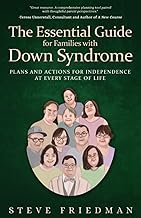
The Essential Guide for Families with Down Syndrome: Plans and Actions for Independence at Every Stage of Life

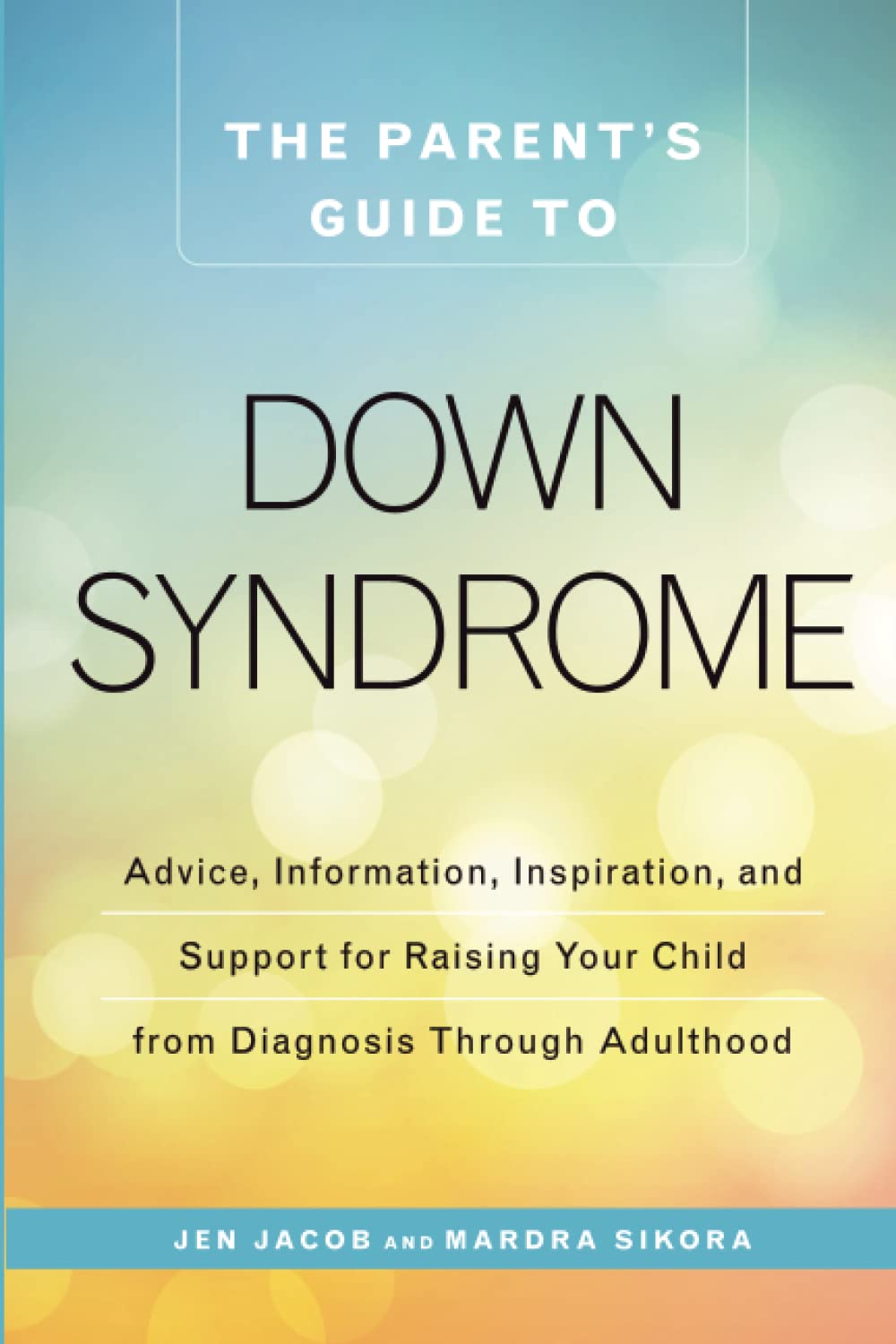
A Parent’s Guide to Down Syndrome, Advice, Information and Support to Raising Your Child from Diagnosis to Adulthood by Jen Jacob and Marda Sikora. Order here: https://a.co/d/5CRwU6R
Supporting Positive Behavior in Children and Teens with Down Syndrome, Revised Edition, The Respond, Don’t React Method by Dr. David Stein, Psy.D. Order here: https://a.co/d/8rlEeJG

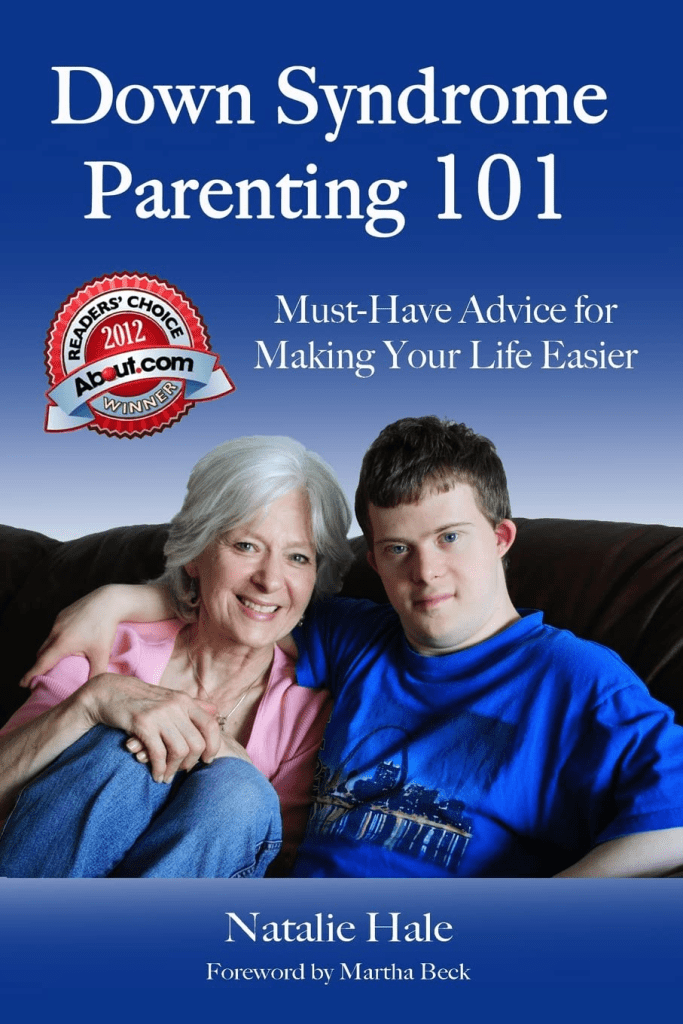
Down Syndrome Parenting 101: Must Have Advice for Making Your Life Easier by Natalie Hale order here: https://a.co/d/7LebF7H
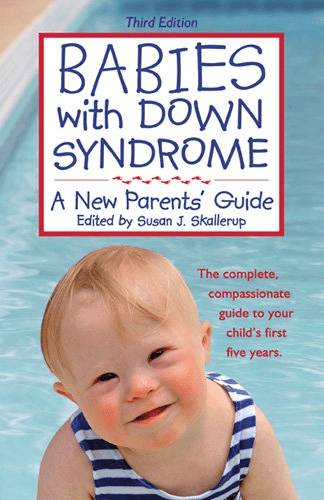
Babies with Down Syndrome: A New Parent’s Guide, Edited by Susan J. Skallerup order here: https://a.co/d/bU6CyTv
Scoot Over and Make Some Room: Creating a Space Where Everyone Belongs by Heather Avis order here: https://a.co/d/3QMtl0w

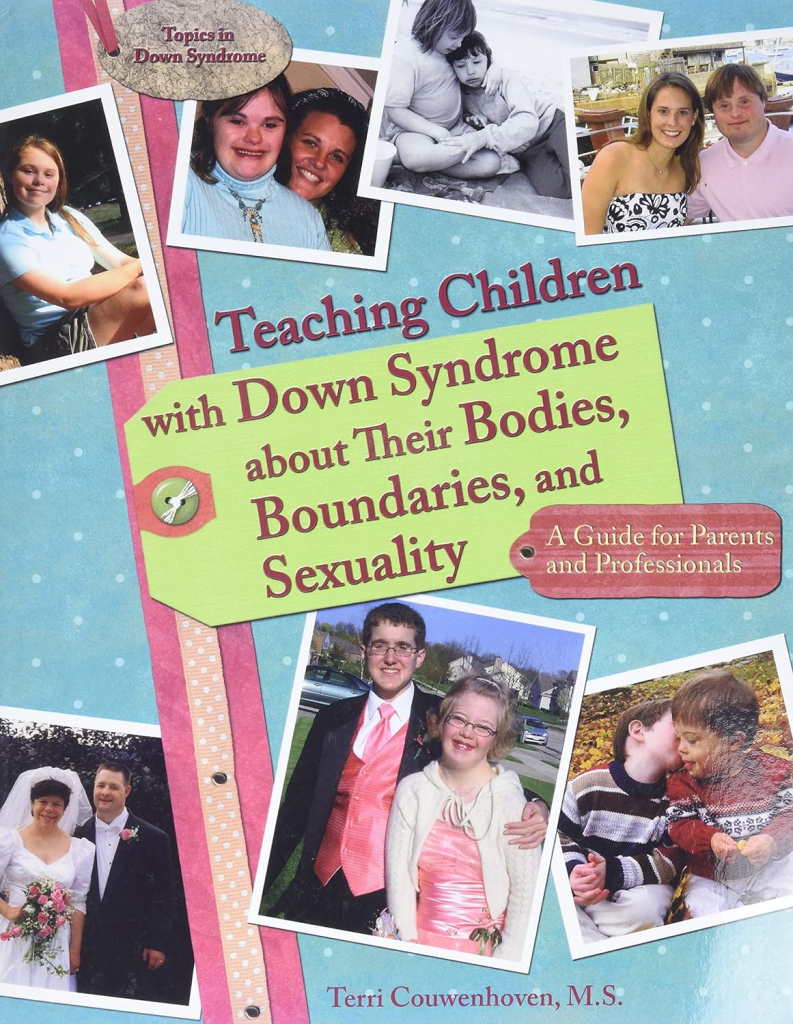
Teaching Children with Down Syndrome about Their Bodies, Boundaries and Sexuality by Terri Couwenhoven, M.S. order here: https://a.co/d/gARb2kE
Fine Motor Skills for Children with Down Syndrome, A Guide for Parents and Professionals (third edition) by Maryanne Bruni, BScOT (Reg) order here: https://a.co/d/8au2far

Gross Motor Skills in Children with Down Syndrome: A Guide for Parents and Professionals by Patricia C. Winders, P.T. order here: https://a.co/d/9F4DUV4

Gifts: Mother’s Reflect on How Children with Down Syndrome Enriched Their Lives, Edited by Kathryn Lynard, order here: https://a.co/d/fJ4ZgAj

Gifts 2: How People with Down Syndrome Enrich the World, Edited by Kathryn Lynard Soper, order here: https://a.co/d/5ltSrSH

Mental Wellness in Adults with Down Syndrome: A Guide to Emotional and Behavioral Strengths and Challenges by Dennis McGuire, Ph.D. and Brian Chicoine, M.D. order here: https://a.co/d/cbOhBLC

Different A Great Thing to Be by Heather Avis and Sarah Mensinga, order: https://a.co/d/3VL4z16

You Are Enough: A Book About Inclusion by Margaret O’Hair and inspired by Sophia Sanchez order: https://a.co/d/hRsKJAu

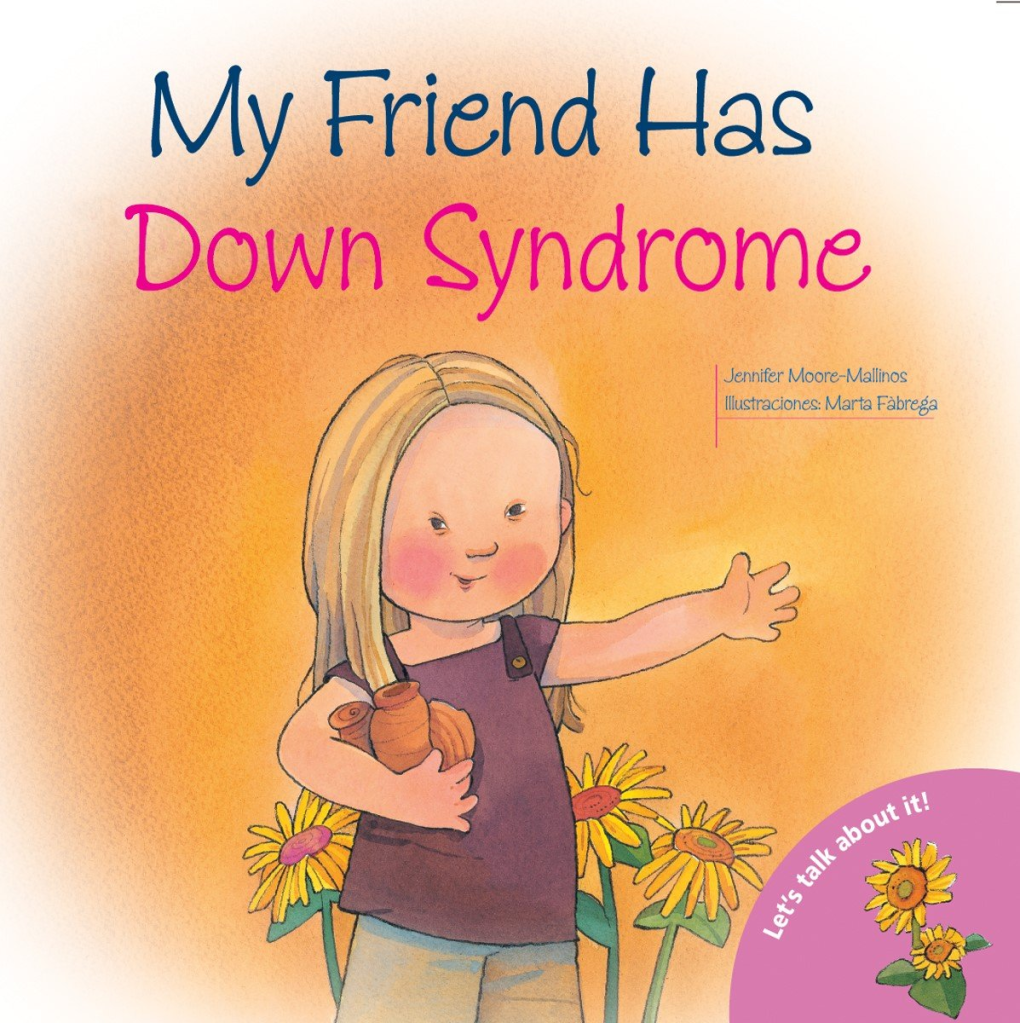
My Friend Has Down Syndrome by Jennifer Moore-Mallinos, order here: https://a.co/d/aSRCijS
These Down syndrome good reads are excellent resources for parents, families and professionals. Keep them in mind as gifts for the upcoming holiday season. In addition, many local Down syndrome support groups across the country provide lending libraries with these resources for families. Thank you for sharing and supporting us as we raise awareness and acceptance to celebrate Down Syndrome Awareness Month.

That’s what is in my noggin this week.

Teresa 🙂

Follow us on Facebook and Instagram at Down Syndrome with A Slice of Autism

Posted in Autism, Behavior/ ABA, Down syndrome, Dual Diagnosis Down syndrome and autism

DS-ASD,How to Manage Throwing and Dropping Behaviors

DS-ASD, How to Manage Throwing and Dropping Behaviors

Over the weekend I read several posts on Facebook dual diagnosis of Down syndrome and autism (DS-ASD) groups.  Many parents were seeking help and guidance.  Their big question was- How to manage throwing and dropping behaviors?  My son Nick is 25 years old.  He has  a dual diagnosis of DS-ASD, and his fair share of these two behaviors.  Short of waving a magic wand, these undesirable behaviors can be curtailed with behavior management.

magic wand (2)

The first step is to determine what function the target behavior is serving.  When you can decipher what purpose the behavior has for a child, and when these occur, you and the IEP team can come up with a plan for behavior management. A behavior support plan (BSP) can outline strategies and replacement behaviors that are more suitable and desired both at school and home.

You can read more about how identify the function of behaviors and put a positive behavior support plan in place for dropping and throwing by clicking on the following link:

https://nickspecialneeds.wordpress.com/2012/04/17/blog-3-getting-your-goat/

This is one of the first blogs that I wrote back in 2012, that provides a blueprint on how we managed the throwing and dropping behaviors with my son, Nick. Blog #3~DS-ASD Getting your goat, still happens to be one of my favorites, to this day. 🙂

The current status of dropping and throwing behaviors with my son varies from day-to-day.  The function is still boredom and attention seeking and somewhat sensory related, when we as his parents, are busy around the house. Since 2012, Nick has more jobs around the house like recycling, unloading the dishwasher, vacuuming, and helping to roll the garbage and recycling bins to the  curb. Heavy work activities are part of a good sensory diet that are calming and organizing to the brain. I still have to remind myself not to let Nick get my goat.  But instead, I try my best to respond, and not react.  I highly recommend this great resource book, by David S. Stein, Psy. D., to learn more about behavior management:  

Book Supporting Positive Behavior DS

Behavior management can help decrease the incidences of negative behaviors such as throwing and dropping in children, teens and adults with a dual diagnosis of Down syndrome and autism (DS-ASD).  Collaborate with the IEP team and a certified BCBA therapist to do the detective work with a functional behavior assessment (FBA) that can lead to a positive behavior support plan (BSP).  Remember always try to respond and not react, when your child is trying to get your goat.

That’s what is in my noggin this week.

~Teresa 🙂

Follow Nick:

Facebook and Pinterest @Down Syndrome With A Slice of Autism

Instagram #nickdsaustism

Twitter @tjunnerstall


Posted in Behavior/ ABA, Down syndrome, Dual Diagnosis Down syndrome and autism, Parenting Special Needs

Blog #185~ Down Syndrome: Supporting Positive Behavior

Blog #185~Down Syndrome: Supporting Positive Behavior

This month’s blog posts have focused on behavior management, specifically to individuals who have Down syndrome and autism.  I recently read, Supporting Positive Behavior in Children and Teens with Down Syndrome.  This book by pediatric psychologist, David S. Stein gives a comprehensive breakdown of how to deal with challenging behaviors, with a specific look at how the brain of a person with Down syndrome works.

Book Supporting Positive Behavior DS

This book is a must read for anyone who cares for, or works with, a child or teen with Down syndrome.  I only wish that this book had been available when 23-year-old son, Nick, was younger.  One of the key messages from this book, is how to look at behavior.  If you view a bad behavior as willful or intentional, the immediate reaction is to punish.  However, it is important to consider that the behavior is communicating some need.  The first section of this book, dives into the brain of a child with Down syndrome and cover behavior basics “101”.

In chapter 5, there is a step by step guide to behavior management system designed for children with Down syndrome:

Step 1:  Maintain the relationship (keep it positive)

Step 2:  Structure the environment for success

Step 3:  Use visuals, visuals, visuals

Step 4:  Notice good behaviors and set up token economies

Step 5:  Use proactive strategies to prevent negative behaviors and support positive behaviors

Step 6:  Manage the difficult situation before they happen 

The underlying theme in this book is how you approach behaviors.  Acknowledge that the behavior is NOT a willful or intentional act designed to make you upset.  Instead, view the behavior as an expression of some unmet need or challenge that has not been addressed.

“You can respond to a behavior thoughtfully, rather than emotionally.  You can learn to respond…but don’t react.”

Throughout the book, this is the common thread.  Respond… but don’t react.  Take your emotions out of the equation, and sometimes your gut reaction as well.  There are several chapters that address positive behavior management at home, school, community and with siblings.

When disciplining or responding to behavior, here’s what you should and should not do:

 You should:

*Take away eye contact.

*Keep your facial expressions neutral.

*Speak very little, if at all.

*Keep your tone of voice neutral.

*Keep your emotions in control.

*If removing attention and emotions is not enough, then direct the child to “take a break”.

And you should not:

*Look right at the child

*Make angry or upset faces.

*Try to explain, using words, why or what they did was horrible.

*Speak in a harsh, animated way.

*Show strong emotions.

Whenever possible, look for ways to prevent the behavior in the first place.  Try to determine what is causing the behavior, and what this functions serves the child.

There are often times which may be more difficult and cause more behavior problems.  These often occur in transition times, and especially during puberty.  These are addressed specifically in this book, along with when and how to seek help from a certified behavior specialist.

This book, Supporting Positive Behavior in Children and Teens with Down syndrome, is a concise guide to understanding behavior and how to manage it thoughtfully, by responding and not reacting to meet a child’s needs.  David S. Stein, packed a lot of punch into 132 pages.  I highly recommend adding this book to the cart.  That’s what is in my noggin this week.

~Teresa 🙂

Follow Nick: