Blog #155~More Than Down Syndrome, DS-ASD
My son, Nick has Down syndrome. There came a point when I felt like we didn’t fit in with the Down syndrome support groups. We stopped going to the local support group holiday parties, play groups and other fundraising events. My son, Nick lacked speech and displayed unusual and repetitive behaviors. These stimming behaviors included tapping, shaking and throwing objects. Vocal stimming and yelling was another behavior that he exhibited. His speech delays and inability to communicate, resulted in frustration on his part, which led to behavior problems and meltdowns. It became apparent that this was more than just Down syndrome, when he hit puberty.

We approached the elementary school IEP team about these outbursts, where he would throw things, trash the classroom along with pinching and scratching staff. It didn’t seem like any of us, could get a handle these problems both in school or at home. The school IEP team was reluctant about getting an autism evaluation done, as they stated; “We have a primary diagnosis of Down syndrome we can work from”. Rather than push the matter with the school, we chose to have an independent evaluation done and paid for it (with some help from our private insurance), out-of-pocket.
It was money well spent. Nick got the new diagnosis of Down syndrome and autism (DS-ASD). If you suspect that your child’s behaviors might be related to more than just Down syndrome, I would strongly suggest that you get a referral from your primary care physician to get an evaluation for autism.
The diagnosis of autism, was like getting the magic key, that unlocked the door to more services for our son...….

Here are the additional services we received with the secondary diagnosis of autism for our son Nick who also has Down syndrome. Obtaining these services took some time, but the effort to get them, has been well worth it. These services were provided in part, by the school district and outside agencies:
*Behavior Support was requested from the school district, A BCBA certified autism specialist did a Functional Behavior Assessment (FBA). This lead to the development of a Behavior Support Plan (BSP), specifically targeting all triggers, and how to prevent & handle crisis situations during meltdowns. BSP’s can also target skill development in a variety of areas like toilet training which is very challenging. After the BSP was put into the IEP, we collaborated as a team. We built in specific visual supports and sensory breaks into his day, which helped him to stay focused and regulated.
*Speech Support and training on how to properly implement a Picture Exchange System (PECS), along with an Alternative Augmentative Communication (AAC) device.


*Toilet Training and workshops for home support This included coaching on how to develop and implement a timed toileting schedule and use visual supports to promote independent living skills inside the home.
*Additional State Funding (In-Home Family Support Child Based Waiver) This is funding for respite care, behavior support and safety/ health equipment to support the child at home.
*Federal Funding (Supplemental Security Income-SSI) A federal income supplement program funded by general tax revenues (not Social Security taxes). It is designed to help aged, blind, and disabled people, who have little or no income; and it provides cash to meet basic needs for food, clothing, and shelter.
Getting the secondary diagnosis label of Down syndrome and autism (DS/ASD), helped the school staff, therapists, medical professionals, family and friends get a better understanding of Nick’s behaviors and additional needs. By getting access to these additional supports, we’ve been able to change the strategies needed to help Nick. It’s important to note that with co-occurring DS-ASD, the autism symptoms often supersede over those related to Down syndrome. Behaviors and additional needs associated with DS-ASD are complex.

As a result of obtaining these supports, Nick’s communication improved, allowing him to feel understood, respected and less frustrated. As a family, we felt better assisted with the training provided from the BCBA and our local autism center. Applying for the state waiver and securing the funding for respite staff took some of the burden off us.
If you suspect your child with Down syndrome may have autism, read this link by the National Down Syndrome Society for the signs and symptoms: https://www.ndss.org/resources/dual-diagnosis-syndrome-autism/
Additional resources for navigating a dual diagnosis of Down syndrome and autism:
*When Down Syndrome and Autism Intersect-A Guide to DS/ASD for Parents and Professionals and Supporting Positive Behavior in Children and Teens with Down Syndrome books:
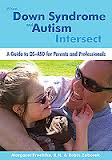
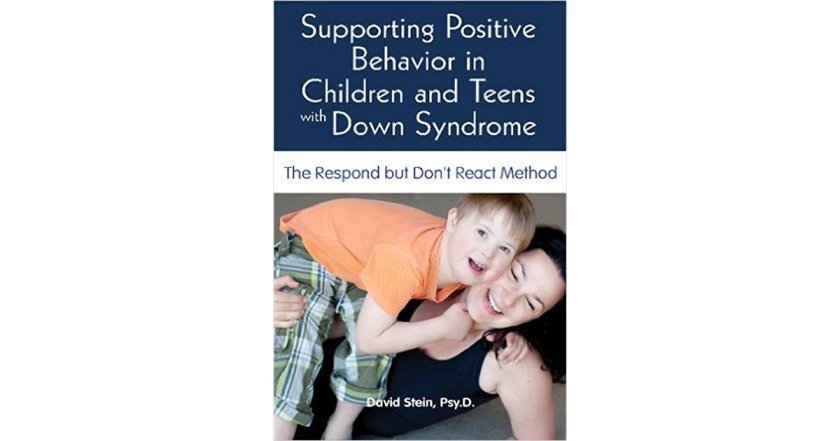
*The Kennedy Krieger Institute- https://www.kennedykrieger.org
*Down Syndrome Association (UK)- http://www.downs-syndrome.org.uk/for-families-and-careres/dual-diagnosis/
*National Association for Down Syndrome (NADS)http://www.nads.org/resources/down-syndrome-and-autism/
*Facebook Support Groups:
-Down Syndrome With A Slice Of Autism
-Autism Discussion Page (Bill Nason)
-The Down Syndrome-Autism Connection http://www.ds-asd-connection.org
The challenges of having a child with co-occurring Down syndrome and autism (DS-ASD) are unique. So many parents say that they no longer fit in with the Down syndrome support groups and can’t relate to the autism groups either; they feel isolated. You as the parent, know your child best. If you suspect that your child with Down syndrome may have symptoms associated with autism, I strongly suggest that you take action to get a clinical, medical evaluation. The autism label doesn’t change who your child is as a person, it gives you a better understanding how to meet the child at their own level.
That’s what is in my noggin this week 🙂
~Teresa
Follow Nick:
Facebook, Instagram and Pinterest @Down Syndrome With A Slice Of Autism
Twitter @tjunnerstall




 Down Syndrome with a Slice of Autism