Posted in Autism, Down syndrome, Dual Diagnosis Down syndrome and autism, Education and Special Needs, IEP (Indivdualized Education Plan)

Blog #157~Making Inclusion Work

Blog #157~Making Inclusion Work

Is inclusion right for your child?  That was the question I addressed in last week’s post.  Inclusion simply stated, means that a student is supported in the general education classroom setting with given supports outlined in the IEP.  The IEP is an Individualized Education Plan, is a document for special education students.  This document identifies how the student will learn, what services the school will provide, and how their progress is measured.  My son Nick, was in an inclusion classroom during his elementary school years. He has Down syndrome and autism, and benefited greatly from the experience.  How do you make the inclusion setting work for your child with special needs?

The Individuals With Disabilities Education Act (IDEA), amended version 2004, does not actually list the word inclusion. The law actually requires that children with disabilities be educated in the “least restrictive environment appropriate” to meet their “unique needs.” The “least restrictive environment” typically means placement in the regular education classroom which typically means ‘Inclusion’ when ever possible. (Source taken from about.com)

The IEP team works with the parents to determine the least restrictive environment and builds the placement around this concept.  What will the child need to be successful in a regular education classroom?   The IEP team and parents should collaborate to identify supports needed.

Classroom Supports:

*Modified Curriculum:  (Regular education teacher and support/case manager) work together to adapt the current assignments for the child.  Make a plan to address what will be learned in the regular classroom, and how will the student will learn that similar information?

visual work board

*Staffing:  Does the child need a paraprofessional (classroom aide)?  What is the ratio? What additional training will be needed?

*Equipment:  Physical environment (modified desk, chair, adaptive equipment/school supplies, sensory supports)

*Assistive Technology:  Communication (Alternative Augmentative Communication “AAC” device, Picture Exchange Communication System “PECS”, Sign Language/Interpreter), or other devices using apps for to navigate schedules and assignments.

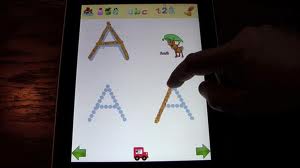
alphabet tracing  ipad-touch-chat

*Sensory Breaks: What space will be provided, is there a sensory area in the school?  How will the student request a break (need a break icon, button on AAC device)?  What equipment is needed, (noise cancelling head phones, figit toys, nubby cushion, music, weighted vest or blanket, bean bag chair, swing, trampoline)?

figit toys   nubby therapy cushion

In addition to identifying classroom supports, the team should address these questions at the IEP Meeting:

* What are the student’s strengths, and how do we build a plan around them?

*How does the student learn best?

*What behavior support is needed to help the student learn the best, and operate comfortably in the general education classroom?

Identifying supports needed and how to best accommodate the student will set a good foundation to success in the inclusion classroom setting.  The student will benefit by having access to the general curriculum and build social relationships in this community in the least restrictive, inclusion environment.  That’s what is in my noggin this week.

~Teresa

Follow Nick:

scan0016

Facebook and Pinterest @Down Syndrome With A Slice Of Autism

Instagram: #nickdsautism

Twitter: @tjunnerstall


Posted in Autism, Down syndrome, Education and Special Needs, IEP (Indivdualized Education Plan)

Re-Post~Navigating a Special Needs Child in School

Re-Post~ Navigating a Special Needs Child in School

back to school list

It’s that time of year. The stores are stocked with back to school supplies now.  Having a child with special needs can be challenging when dealing with the school system especially with the IEP’s.  This week, I am re-posting a blog I wrote about navigating your child with special needs through the school system.  I have included my own back to school list of things that I have learned over the last 20 years with my son Nick, who has Down syndrome and autism.  Check it out @https://nickspecialneeds.wordpress.com/2012/10/01/blog-24top-10-…through-school/

That’s what is in my noggin this week 🙂

~Teresa


Posted in Autism, Down syndrome, Education and Special Needs, IEP (Indivdualized Education Plan)

Blog #88~ Parent Tips for Better IEP Meetings

Blog #88~ Parent Tips for Better IEP Meetings

My 20-year-old son, Nick has Down syndrome and autism. While driving to his IEP meeting last Monday it occurred to me that he only had one more of these next year.  With 15+ IEP meetings under my belt, I have learned a lot about how to become an effective advocate for my son.  IEP stands for “Individualized Education Plan”.  An IEP is done for a student who has special needs. These meetings are held each year to update the student’s current level of functioning, progress and goal planning for the following year.   There was a time when I was terrified and intimidated by IEP meetings. Here are some things I’ve learned to make an IEP meeting be effective and run smoothly.

brace yourself IEP

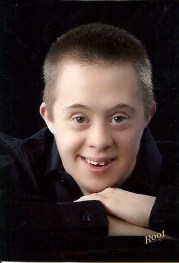
Nick’s senior portrait…… 🙂

scan0016

Here are my top 10 parent tips for better IEP meetings:

1. Establish communication with all the teachers, therapists, and other key members of the IEP team via email.  Send a communication notebook back and forth in your child’s backpack.   Attend conferences, open house events and if you can, chaperone at field trips and volunteer in the classroom.  All of these things will help to build a relationship with the staff and making you feel more comfortable. 

2. Designate one notebook for all meetings, conferences and trainings related to your child.  Keep a folder for the current IEP and progress reports.  Review these prior to the meeting. 

3. After you review your child’s goals, make notes for the support teacher/case manager of what you’d like to see for the upcoming year using an “IEP planning form”. Click on the link at the end of this blog to obtain a form.   

4. Request a copy of the IEP draft (including present level of academic functioning, and all proposed goals) to review BEFORE the meeting.  Go through this with a fine tooth comb making notes in red ink of any questions you have or things you would like to see added. 

5. Learn your child’s educational rights. Click on Wrightslaw link provided at the end of this blog below. 

6. Don’t hesitate to ask questions and seek clarification. 

7. If you feel unsure or overwhelmed bring an advocate from your local support group or a seasoned IEP parent to the meeting. 

8. Keep in mind that according to the law; schools do not have to offer the best, they have to offer what is “most appropriate” for your child. 

9. The child should be the center of focus at the IEP meeting.  A parent’s dream for their child may not be what the reality is.  Keep an open mind to this. 

10. You know your child the best.  You are a equal part of the team, speak up!

photo (116)

If you have serious doubts or concerns about the IEP, ask to take it home and review it further.  You are NOT required to sign it if you disagree or have any uncertainties.  You only need to sign that attended the meeting.  Put any concerns that you have in writing and returned them to school with the unsigned IEP.  You can request another IEP meeting.

IEP Planning Form for Parents:

http://www.greatschools.org/pdfs/2200_21-IEPplanning.pdf?date=3-11-02

Special Education Rights:

http://www.wrightslaw.com

IEP meetings don’t have to be a scary thing.  Do your homework beforehand. If you are prepared and keep the lines of communication open, then they can run quite smoothly.  That’s what is in my noggin this week! 🙂

~Teresa 🙂

Posted in Autism, Down syndrome, Education and Special Needs

Blog #87~Special Needs Parent Checklist for Visiting a New School

Blog #87~Special Needs Parent Checklist for Visiting a New School  

It’s almost spring…… that time of year when the scent of IEP’s are in the air.  IEP stands for Individualized Education Plan.

brace yourself IEP

The team as a whole looks at the student’s current level of functioning and together design goals and supports needed to provide appropriate education for the student.  The placement of a child with special needs should always be in the least restrictive environment possible.

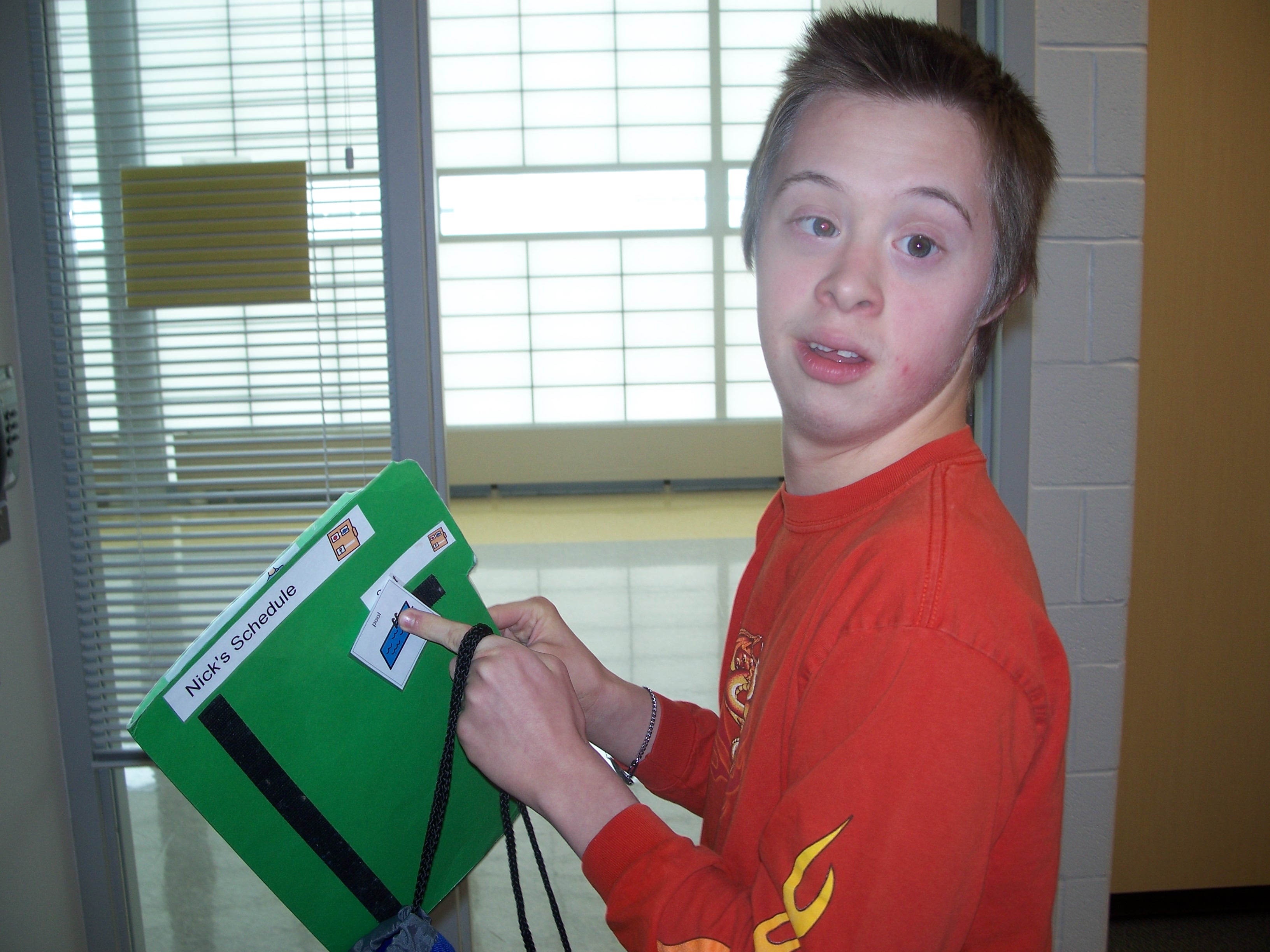
Nick has Down syndrome and autism.  He uses a visual schedule to navigate through the school…….

APE swimming 006 (4)

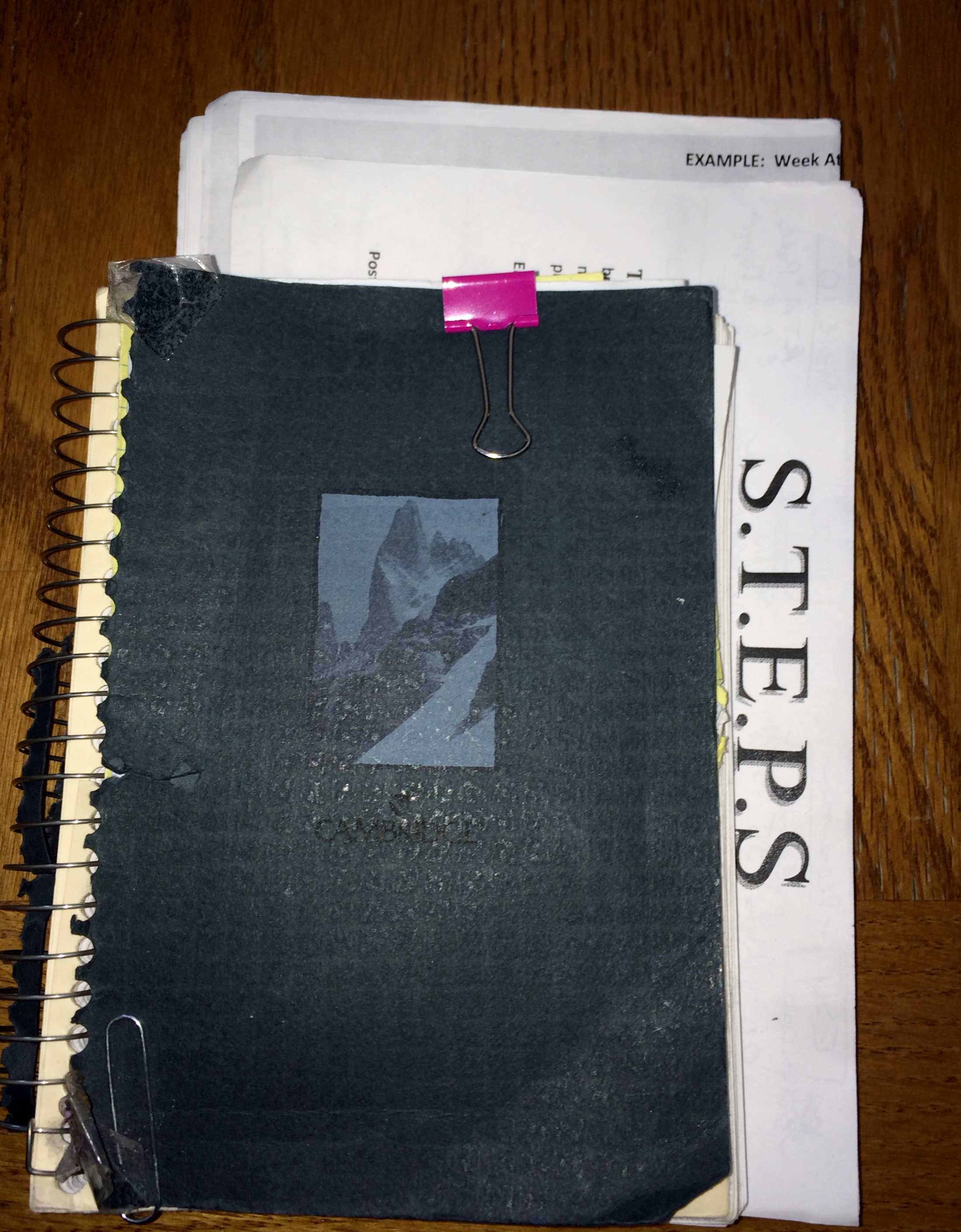
Parents with a child who has special needs can arrange to visit schools and see what the classroom environment looks like.   Here are some tips and helpful questions that should be asked on the tour.  I would suggest designating one notebook to take to any meetings and trainings related to your child with special needs.

My trusty, battered notebook……. 🙂

IMG01

Questions to ask on school visit: 

*What are the location, size and physical layout of the classroom(s)?

*How many students are in the classroom?  What is the ratio of students: adults?

*What instructional methods and materials will be used?

*How will the curriculum be modified for a student with special needs?

*What assistive technology is available?

*What behavior techniques and plans will be used?

*What does the school day look like?  (Ask for a printed schedule and to sit in on classes.)

*What kinds of inclusion opportunities do children in special education classrooms have to interact with general education students? 

Observation of class and school:   

*Watch the dynamics of the classroom.  How does the teacher interact with students?  Does the teacher individualize instruction? 

*What activities were children engaged? Would they be appropriate for your child?

*Do the classrooms and staff seem cheerful?

*Is student work displayed and is the classroom organized or would it be too distracting for your child?

*Are the curriculum, equipment, technology and educational supports up to date?

*How well are the facilities maintained? (Clean bathrooms, lighting, safe grounds, etc…)

*Is there a sensory room available in the classroom or school building? 

Once a school and classroom placement decision is made be sure and get pictures or do a video of the new setting for your child.  This social story should include the entry, locker, classrooms, lunch room, gym and any other relevant areas the child will be using in the school.  Review the social story or video several times before the first day of classes.

Here’s Nick visiting the middle school back in 6th grade. He was skeptical about this new environment as indicated by not wanting to remove his coat and keeping it zipped up to the top……..

Nick at Granger

As a parent of a child with special needs, remember that you know your child best.  You have the right to get in there and see what the classroom environment looks like in order to make an informed decision at your child’s IEP meeting.  That’s what is in my noggin this week.

~Teresa 🙂

Posted in Autism, Down syndrome, Recreation/Leisure and Special Needs

Blog #54~Mom Helpline

Blog #54~Mom Helpline

What did I want for Mother’s Day?  ……………………. Just the sound of crickets.…..

I applaud the moms who enjoy breakfast in bed served by their kids.  I am not there anymore.  Really all I want is a little peace.  For me, it is having the luxury to take some time to do simple errands. Not rushing at a mad pace. It’s a gift just knowing that someone is watching Nick so I don’t have to bust my ass to get home.   And so I did.  I took my time after teaching two spin classes. I drove out of work slowly taking a chill pace towards Oswego.  I  stopped off at Ulta, Kohls, Target.  Oh how I love you three amigos!  Ladies, you are with me here, right? 🙂

So I got my wish, to breathe, stretch my arms out and enjoy doing what I like.  I also received a nice handmade gift from Nick.

pinecone birdfeeder

It lasted less than a day hanging on the shepherds hook.  A menacing squirrel plucked it off and darted across the yard holding it in his mouth.  Al got my favorites,  Yankee Candles and a new fountain for the deck.  That’s how I get my Zen on.

zen

While Nick showers me with little kisses, his older brother is more understated. Hank quietly posted a message on Facebook, “Happy Mother’s Day, Madre!  You’re the best.”

photo (122)

Later he emerged out of the shower clean shaven and said, “This is your mother’s day gift.”  He knows exactly how to win his Madre’s heart.

While I was out driving yesterday and I pondered on what to write about for this week.  How is being a mom of a child with special needs different?  The images of my all my fellow warrior moms came to mind.  The path we were given is worn with sleeplessness that extends for years.  The basic milestones like eating solid foods, walking, talking, and potty training take longer to reach.  Some of these may never be met. The ones that do get met are sweet and savory.  Warrior moms become experts on their child’s diagnosis and IEP’s (Individualized Education Plans.)  They learn a whole new vocabulary of words from doctors, educators, speech, occupational and physical therapists.  They juggle schedules to all of these therapies and carve out time to attend conferences and seminars to learn more about how to improve the quality of life for their child. They become advocates for their child and help others who follow behind them.  Those with children who have behavior problems have to shift gears during a mid laundry fold and clean up a splatter or cut a meltdown off at the pass.

This is just one of many things Nick has dumped out.  For the full list check out Blog #3~Getting Your Goat, located in the April 2012 Archives!

photo (108)

Sometimes the meltdowns just happen and the warrior mom has to maintain patience while their child is hitting, biting, pinching, kicking and destroying everything in their path.  It’s not all doom and gloom.  Having a son like Nick who has Down syndrome and autism can also bring sweetness, innocence and unconditional love.  That is what keeps me fueled as I take a breath and get ready for another day.

photo (116)

What can you do to help a mom with a child who has special needs?  It means a great deal when I get a message, text or card.  Knowing that someone is thinking about you can really make a person’s day.  Offer to babysit or help a mom find respite care. “The Care.Com Team” provides a list of caregivers who have experience working with special needs children. Watch for signs that a family is becoming to isolated.  Sometimes being in the trenches, we might not realize how bad things have gotten. During the height of Nick’s puberty period, my in-laws (Jim and Theresa) saw that we were in over our heads. They found some resources and parents to help us find a new path for dealing with the difficult problems we were having.  Reaching out and finding support is essential.   This can be through a local group like NADS (National Association for Down Syndrome).  There are many groups online and through Facebook that I have found to be helpful such as “MyAutismTeam,” “Circle of Moms,” and “Mom2Mom” which has a hotline 1-877-914-Mom2.  There are many more listed under my resource page.

Today there is no school so I wasn’t sure how well I would be able to concentrate to do this piece. Nick was up earlier playing his iPod loudly and pushing buttons as I tried to sleep with one eye open. Over an hour later he crawled in bed next to me.  Surprisingly, he is taking a page out of his brother’s book, still sleeping in now. 🙂

photo (119)

It’s 11:00am and all I hear is the dull hum of the refrigerator and the sound of my fingers tapping on the keyboard.  No iPod or Thomas the Tank Engine blaring, no water faucets running full blast, no phone intercom or microwave buttons being pushed.  Just crickets…………

photo (115)

Cheers to all you moms out there and may your Mother’s Day wishes come true. That’s what is in my noggin this week.

~Teresa

Posted in Autism, Down syndrome, Education and Special Needs

Blog #46~A Day in the Life of Nick

Blog #46~A Day in the Life of Nick

This morning I am prepping for Nick’s IEP meeting to be held at 11:51 a.m.  I review all of the progress reports that I requested ahead of time. It is essential to get those reports early so you know what is going on.  Plus it saves time during the meeting.  I have more tips in Blog #24~Top Ten Things I have Learned While Navigating Nick through School, (located in the October archives). I want to give you a glimpse into the day in the life of Nick’s world at school.  What does someone like Nick who has Down syndrome and autism (lacking reading and writing skills) work on in school?

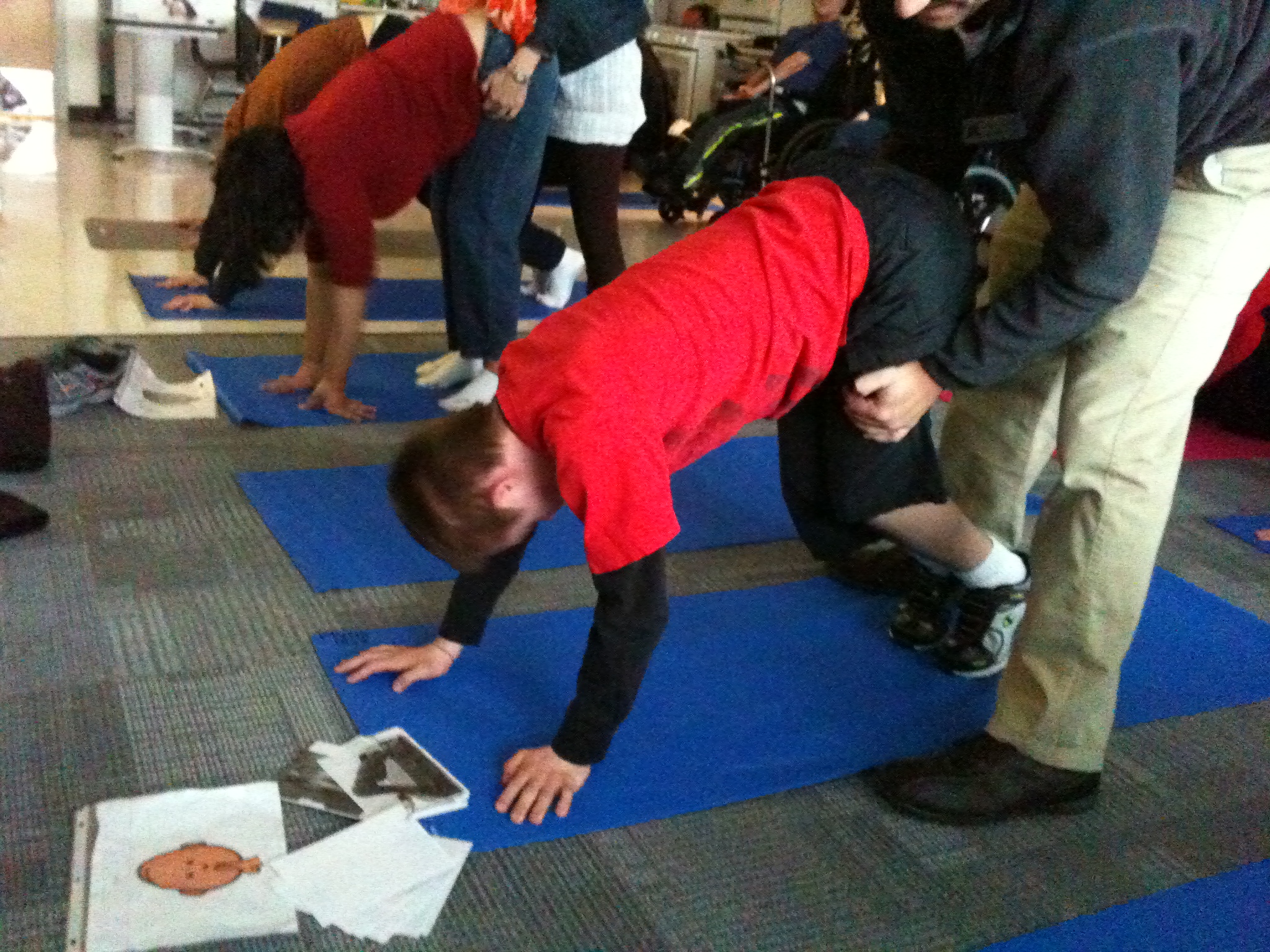
His day starts early, the skies are still dark when the bus rolls up at 6:30 a.m.  Most mornings Nick is dragging but when I mention it’s a community day he tends to perk up a little quicker.  The first two periods of Nick’s day are called “Life Skills.”  The class looks at the calendar, works on dates, upcoming events and the weather.  Nick enjoys telling others about the weather and is consistent in picking out the correct icon and working the weather page on his iPod Touch Chat program. After calendar, the students practice yoga.  They are following the “Get Ready to Learn Yoga Program.”

nick_yoga2

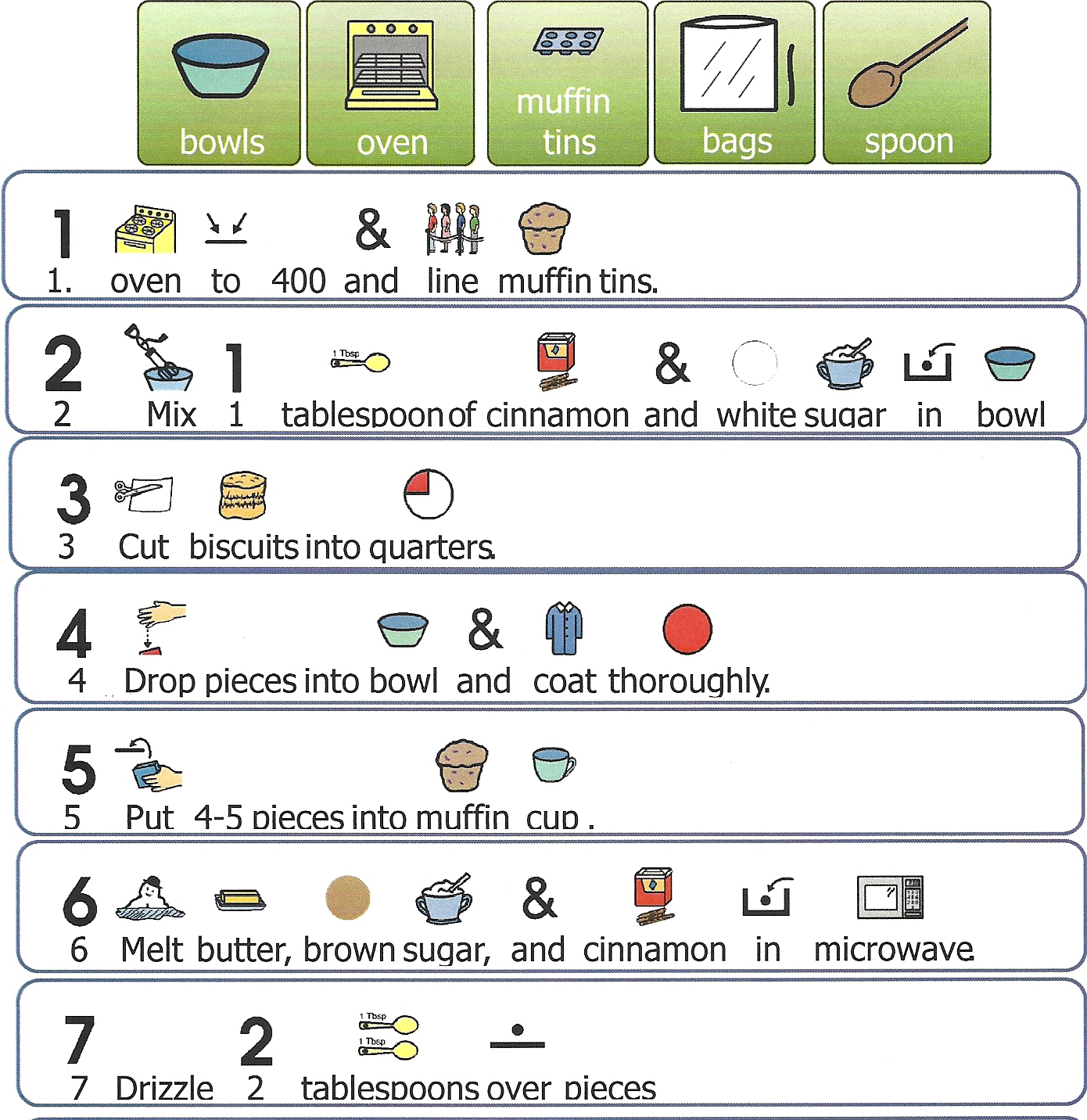
This is followed up with reading skills working on IEP goals of community safety words and pictures, computer programs and group news sharing session of current events.  On Thursdays there is a cooking unit.  Nick loves it and has tried several new foods this year including chili mac, waffles, pancakes, chocolate chip cookies and spaghetti tacos.  Now I am hungry! 🙂

Here’s an example of a recipe they use at school for monkey bread…….

scan0002

Third period is called “Home Maintenance.” During this time Nick prepares a simple snack.  He makes a choice using either his picture icons or iPod Touch Chat.  He likes Cheezits, pretzels, popcorn, salami and cheese. Here he is able to practice fine motor skills like cutting and opening packages with the occupational therapist.  He also works on hygiene skills, (brushing teeth, putting on deodorant and body spray, etc…).  For practical information and visual supports about hygiene and dressing be sure to read  Blog #22~Grooming 101 (located in the September archives).

Nick takes adapted physical education in fourth period.  Units include soccer, swimming, basketball, volleyball, badminton, kickball, adventure education and walking.  He really enjoys the interaction with peer buddies in class.  Period five is lunch time. 🙂

APE swimming 006 (4)

In the afternoon for periods six through eight, Nick has “Vocational and Community” skill building. Nick is working at job training sites three days a week.   These include Tabor Hills (retirement home) and Re-Store (Habitat for Humanity) where is responsible for vacuuming.

Nick vacumming_Tabor Hills (3)

His third job is at Adopt (animal shelter) where he removes leaflets from stacks of newspapers for cages.  On the other days he has school jobs which include shredding, work bins, rental laundry.  Wednesdays I have no problem getting Nick out of bed. It’s community day. 🙂 He enjoys it and is so happy being out and about.  The activities include dining out both at fast food and sit down restaurants, mall walking and shopping at Wal-Mart for groceries to use in the cooking unit.  Here he works on his goal to pay with a debit card.

Nick trying on sunglasses at the store…… He’s looking pretty fly!

018 (2)

He can manage a grocery cart (with reminders to not purposefully run into items or people)

Ramming speed ahead! You should see Nick barreling through Costco 🙂

grocery cart

That is the day in the life of Nick in high school.  His days are filled and structured during the week from 6:30 a.m. until 2:30 p.m. He loves going to school and enjoys the staff (and giving them a run for their money.) That’s what is in my noggin this week.

~Teresa

Posted in Education and Special Needs

Blog #43~Taking the Next Step after High School

Blog #42~ Taking the Next Step after High School

In a few months, Nick will be walking across the stage to accept his high school diploma.  We are not doing the typical things you do for the senior year.  No need to reserve the tux or limo for prom.  It’s not in the cards to visit any college campuses.  And ten bucks says that the hat and tassel are going Frisbee air born as he crosses the stage at the NIU Convocation Center.  Question is….. What does someone who has Down syndrome and autism resulting in severe cognitive and speech delays plan to do after high school?

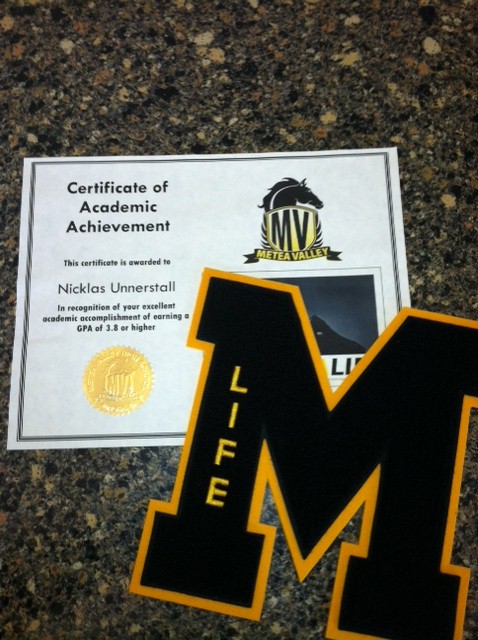
Actually, since Nick has not met the academic requirements needed for a diploma, he will receive a “certificate of completion” upon graduation.  He did letter in high school and a look at that GPA.🙂

photo (117)

Once the “certificate of completion” is put on the shelf, we move into the next phase for Nick.  The program is affiliated with the school district and called STEPS (Supported Training Experiences Post-Secondary).  Under the *IDEA law, a student with special needs may continue with high school or enter a transition program up until they turn 22 years old.  The decision for placement is based on the child’s individual needs.  Students with developmental delays may benefit more by having extra time to work on vocational, social/leisure, self-help skills along with their educational training.  Many students who are higher functioning academically may be able to take college courses and have paid jobs.  Last week we had the opportunity to visit the campus and get a closer look at the STEPS program.  Al attended the first session.  I followed up with Nick since we had to do a team tag with him and went to the second session geared for graduating seniors.  While we waited for the second meeting, Nick and I took a tour of the building. By the way, all but one fire alarm is not covered but I bet it will be soon.🙂  He loved the campus, especially the sensory room.

photo (116)

So here’s what I learned about the next phase for Nick.  The STEPS program is designed to build a bridge between school life and adult life.  The focus is to identify what services are needed and what linkages need to be made to help your child be successful in adult life.  The questions not to ponder are as follows:

1. What does Nick need to connect to the next level of adult life? 

2. When finished with public school, what type of work will Nick be involved in (paid job, volunteer work?) 

3. Will Nick participate in a vocational and/or life skills day training program or enroll in a degree-seeking program?  

4. Upon completion of public school what arrangements need to be made for independent living (community activities, living arrangements, sports and recreation, transportation, healthcare, financial support, emotional support)?  How do we plan to access them? What supports are needed?  

So the task at hand is to figure out what Nick is good at and also what he likes to do.  From there we work with the team to build a program with this in mind.  The three main areas are educational and vocational training along with building his independent living skills.  Each classroom has a function in the building.  There is a kitchen to work on cooking skills.  One classroom is built around vocational skills (with can crushers, shredders, work bins, and the campus micro-enterprise that includes making note cards and beaded jewelry.) A current STEPS student has her own business making beaded jewelry.  Check it out at http://www.specialsparkle.com!  Another room is for fitness and recreation filled with music, a Wii gaming system and comfy couches.  There is also a sensory room along with a few others that are used for academics and working on self-help skills (like time management, money handling, riding public transportation, etc…) Again, the program is centered on the individual their goals and getting them to that place by the exit date which is the day before their 22nd birthday.  I should add here that some students exit earlier if they reach a place where they are working independently at a paid job.

So Nick will have new jobs next fall and opportunities to do community service along with social functions (clubs, dances, bowling, etc…) It looks much like what he is already doing in high school but more laid back (no school bells, the students manage their own schedules.)  Looks like I will need to get an app for that.

photo (2)

I felt better after seeing the campus and visiting with the staff.  Amazing how the anxiety level goes down when you can actually get a visual of what lies ahead.  Now all I need to do is answer all those questions above, yikes!  Maybe I’ll go make a cup of tea and mull over it. I’ve got a few weeks until Nick’s IEP meeting. 🙂

photo (115)

That’s what is in my noggin this week, stay tuned maybe I’ll have some answers by mid-March!

~Teresa

*From Wikipedia: The Individuals with Disabilities Education Act (IDEA) is a United States federal law that governs how states and public agencies provide early intervention, special education, and related services to children with disabilities. It addresses the educational needs of children with disabilities from birth to age 18 or 21[1][2] in cases that involve 14 specified categories of disability.  In defining the purpose of special education, IDEA 2004 clarifies Congress’ intended outcome for each child with a disability: students must be provided a Free Appropriate Public Education (FAPE) that prepares them for further education, employment and independent living.[3]

Under IDEA 2004:

  • Special education and related services should be designed to meet the unique learning needs of eligible children with disabilities, preschool through age 21.
  • Students with disabilities should be prepared for further education, employment, and  independent living.
Posted in Behavior/ ABA, Fun Side of Nick

Blog #25~ About those 25 fire alarm pulls….

Blog #25~ About those 25 fire alarm pulls……

It seemed fitting for Blog #25 that I expand on the 25 fire alarm pulls that Nick has craftily gotten a hold of since third grade.  I touched upon this a bit in Blog #10~Nano second which chronicled a week of Nick’s charades of wreaking havoc.  Most of the pulls have occurred in the school setting.  While it clearly states in his IEP to both cover and carefully monitor Nick around all fire alarms this still hasn’t stopped him. By the way, just because an alarm is covered doesn’t mean he won’t try and lift it up.  But at least the cover will buy you a few extra seconds. Most of the questions I get have been these…. Why is he so drawn to them?  How can he be so fast? And finally…How does the fire department and staff react once he pulls one?

If you have read any of my other posts it is clear that Nick likes to grab you attention by doing all kinds of things like pushing buttons, dumping out all sorts of things, burping, farting you name it he does it.  The Holy Grail is always going to be the fire alarm.  I mean think about it.  That is a big payoff.  There is a scurry of people exiting the building and the fire trucks come with lights flashing and sirens blaring.  How cool is that? 🙂

The last alarm he pulled was exactly a year ago.  Interesting how he can smell fresh blood and that is when he makes his attack.  Anyone new just starting to work with him will most likely go down.  I spoke to the new school aid that had fallen victim to #25 when I dropped Nick off at the Halloween dance last year. He was still beating himself up felt mortified…….Poor guy.

One of my friends sent this message after the Nano Second blog post #10.Having been the victim of Nick’s nanosecond skills, I can offer one morsel. He achieves his speed by help of his poker face while plotting (don’t often think of Nick’ mind racing but I believe it does) and sometimes in steps. I saw him try to 2-step me with your hat. First a small move inching the hat 2 feet closer to him on the table, with those innocent eyes.  Then he swooped in ready for the 25 footer Frisbee toss.”

He is fast!  The last time he got me was three years ago at Dominick’s.  (Just so you know he has only got me twice. Al has yet to get caught but he was almost burned by Nick in a very packed Houston-IAH Airport the day after Christmas. The alarms are painted silver, whut?  Nick grazed it but his Dad was able to swipe his hand away.)  So, back to Dominick’s…..

In my defense it wasn’t the usual one I shopped at plus I was wearing one of those bulky  therapy boots on my right foot which had suffered a plantar fasciitis tear.  Minutes before this happened Nick was carefully taking the items out of the grocery cart and placing them on the conveyer belt.  The cashier smiled and gave a compliment on what a good helper he was.  I always have Nick push the cart so he is occupied while in the store.  That’s when it happened.  Suddenly, he stopped, released his hands and made a beeline to one.  I hobbled behind him and made a last ditch leap stretching my arm like a defensive back trying to block a touchdown pass.   “Nooooo Nick!”  But it was too late.  His fingers clutched the switch just as my hand touched his wrist.  What followed were flashes of lights and an earsplitting sound that could break glass.  All of the patrons stopped and cover their ears.  I glanced over at the courtesy booth and saw the store manager throw his hands in the air and shake his head.   All I could do was shrug my shoulders and mouth one word “sorry” as I pointed down at the offender.  Nick was frozen in a trance like state; his eyes as big as saucers.  While he stood motionless; his whole body was trembling.

I knew I had to get him out of there fast as the excitement was fueling him like a crack head junkie.  The rain was falling on that cool autumn afternoon as we made our way to the car.  I got him belted in, put the grocery bags in the back and waited for the fire truck.  You see, even if it is a false alarm the firemen still have to come and investigate.  As Aurora’s finest came blazing in, I limped across the parking lot, drenched from the rain to make my apologies.  I saw two firefighters entered the store no doubt to deal with the scene.  Sheepishly I spoke to the other two who waited in the truck. I explained that Nick had Down syndrome and autism and a passion for pulling alarms. They didn’t say a whole lot but seemed to understand.

Over the years I have asked various fire fighters about someone like Nick who gets a charge out of pulling alarms.  Most of them hardly blink an eye. Last weekend while Nick was helping with a fundraiser for the Peer Buddies program a few of Aurora’s Fire Fighters stopped to give a donation.

As they put money in the tin can I commented, “Hey Nick really likes your fire truck he has been eyeing it since we got here. Oh and he really likes fire alarms too, all 25 of them that he has pulled since third grade.”  One of the guys busted out in laughter and gave Nick a high five!  A few minutes later, they drove their truck right by us with sounding the horn, sirens and lights.  Nick was in heaven! 🙂

I have to give a shout out to these guys and share a few pictures 🙂

Nick helping out with the siren testing at the Duck, NC Fire Department…….

“Wow this is awesome”

Nick collection of tee shirts…..

Thanks to my friend Veleen for sending Nick this one…..

So, here’s to the brave and kind *fire fighters! That’s what is in my noggin this week. Until next Monday why don’t you take a look around at all the alarms in the community?  I bet you’ll see how accessible they are and think….Gosh Nick could get that easily…..and smile. 

~Teresa

* “If Prometheus was worthy of the wrath of heaven for kindling the first fire upon earth, how ought all the gods to honor the men who make it their professional business to put it out?”   ~ John Godfrey Saxe


Posted in Autism, Down syndrome, Education and Special Needs, Speech and Occupational Therapy

Blog #8~ Three Scary Letters: IEP

Blog #8~ Three Scary Letters: IEP

Who would think that the 3 letters IEP could evoke anxiety and trepidation in the hearts of many parents of children with special needs?  IEP stands for Individualized Education Plan.  I used to be one of those scared and frail kittens shaking as I walked into the doorway.  My son, Nick has Down syndrome and autism.  I’ve been through my share of IEP meetings and learned a great deal on how to handle them.  I heard my share of war stories:

“Watch out they will try and get away with cutting your service hours!”

“Why would they do that?”

“Oh the budget constraints and pressure from the school district, that’s why. They are going to say the teacher can address the issues and you don’t need the additional speech therapy hours.”

So enter the neophyte parents into the doorway to face the army of personnel from the school.  The IEP team usually consists of the classroom teacher, case manager, occupational therapist, speech therapist, adapted PE teacher, school counselor, social worker, school nurse and a student services representative. Oh and yes, the parents too. 🙂  I can recall many in the early days crammed in tightly around a table and feeling very clueless in the early days.   The IEP meeting is intended to be a team effort, but sometimes we couldn’t help but feel like it was them against us.

What an IEP exactly?  Here is some information from Wikipedia:

An IEP is designed to meet the unique educational needs of one child, who may have a disability, as defined by federal regulations. The IEP is intended to help children reach educational goals more easily than they otherwise would.  In all cases the IEP must be tailored to the individual student’s needs as identified by the IEP evaluation process, and must especially help teachers and related service providers (such as paraprofessional educators) understand the student’s disability and how the disability affects the learning process. 

The IDEA 2002 requires that an IEP must be written according to the needs of each student who meets eligibility guidelines under the IDEA and state regulations, and it must include the following:

  • The child’s present levels of academic and functional performance
  • Measurable annual goals, including academic and functional goals
  • How the child’s progress toward meeting the annual goals are to be measured and reported to the parents
  • Special education services, related services, and supplementary aids to be provided to the child
  • Schedule of services to be provided, including when the services are to begin, the frequency, duration and location for the provision of services
  • Program modifications or supports provided to school personnel on behalf of the child
  • Least Restrictive Environment data which includes calculations of the amount of time student will spend in regular education settings verses time spent in special education settings each day
  • Explanation of any time the child will not participate along with nondisabled children
  • Accommodations to be provided during state and district assessments that are necessary to the measuring child’s academic and functional performance
  • The student should attend when appropriate. If the student is over 14 they should be invited to be part of the IEP team.
  • Additionally, when the student is 16 years old, a statement of post-secondary goals and a plan for providing what the student needs to make a successful transition is required. This transition plan can be created at an earlier age if desired, but must be in place by the age of 16.

IEPs also include other pertinent information found necessary by the team, such as a health plan or a behavior plan for some students.

The IEP can be daunting on paper, or shall I say more like a ream of paper averaging for Nick around 50 pages total.  The biggest tip I can share is to request all of the reports and intended goals prior to the meeting for your review.  In addition, I suggest meeting with the case manager at least a month before the meeting to discuss proposed goals that will be in the education plan.  That way there are no surprises at the IEP meeting.  If the parent and teacher have a good communication system back and forth there shouldn’t be any.  (For additional support, go to the links and resource pages on this website and look under Wrightslaw, Bridges for Kids-IEP goals and Barb Bateman’s book, Better IEP’s.)

Over the years we have utilized outside advocacy when we felt like the needs of our son might be compromised.  Rewind to 1998 in Houston, when Nick was attending a public pre-school program twice a week and a private special needs pre-school three days a week.  (This was before we could get him in the private school full time). We brought an entourage of very strong women from the private school to advocate for Nick.  Our advocates dissected that IEP and insured that all supports were in place down to the last detail.  That being a nubby rubber cushion for Nick to sit on to keep his core activated and him alerted.  I was floored at the way they spoke up for our son.  I would have never known to boldly ask for these things.

Nick at The Arbor School in Houston, Texas……

The presence of an outside advocate walking in with you at an IEP meeting can certainly make the team members sit up and be on point.  Memorable meeting number two was in 2001 when lived in the east bay area of Northern California. Nick’s language was minimal and he was getting frustrated not being able to communicate verbally.   On this particular occasion we were being met with resistance with regards to the school providing a proper picture communication system and training of staff and parents.  Enter the Executive Director of The Down syndrome Connection by our side.  (DSC is the local Down syndrome support group)  The school’s Physical Therapist asked if she could report first as she had another meeting to attend.  The Social Worker raised her hand and asked if she could go second and then excuse herself.

Without blinking an eye,  the DSC Director calmly said, “Wait a minute, we are all here to discuss Nick’s future, right?  We only have this meeting once a year. The least you can do is stay and be a contributing member to this team.”

No one dared to leave that meeting.  Oh, and yes the communication specialist was immediately put in place to help with the picture communication system for Nick.

Nick in California

There is only one word for these advocates and the others that followed…..Rock Stars!

I have learned from the best.  The frail kitten morphed into a lion that can roar.  Why, because I have to fight for him because he has no voice. I know Nick the best and what works for him.  I don’t have to agree with the team.  In my matter of fact approach I simply state my parent concerns and have them put in writing in the IEP.  So parents, if you don’t agree, then push your chair back, state that you don’t agree and do not sign it. You may have to take it to the next level if you get a push back.  That’s when you use the two words that can evoke the most fear…Due Process!  (Thank you Kendra, Nick’s Private Occupational Therapist for giving me the courage to do these things.)

Nick at private occupational therapy with Kendra
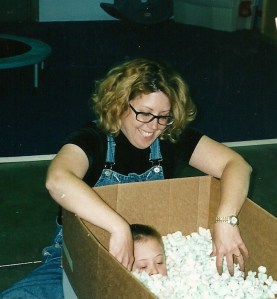
More fun with Kendra

And please, do not call me “The Mom”, or “Nick’s Mom.”  The name is Mrs. Unnerstall.  Yes, IEP meetings can be scary.  But parents, don’t be fraidy cats.  Just get prepared!   Request those reports and goals ahead of time.  Schedule a meeting with the case manager before hand to make sure you are on the same page.  Communicate with the teacher so there are no surprises.  And finally if you don’t feel supported, then bring an advocate to the meeting.   That’s what is in my noggin this week.  Until next Monday, may you find the inner lion within you and fight the good fight!

~Teresa
 

Posted in Autism, Down syndrome, Dual Diagnosis Down syndrome and autism, Education and Special Needs, Tech Stuff/Apps and Video Based Instruction

Blog #5 Ready, Set, Action!

“Wash… wash…wash,” I hesitated going into the other room in fear of what Nick might be doing.  Would it be my fitness shoes in the sink under the faucets running full blast yet again?  To my surprise, I went into the laundry room to witness him taking the dirty clothes off floor and one by one plunking them into the washing machine and with each one saying the word wash!  It hasn’t just been the laundry either. For the past year, he has step up in other household chores.  Trying to get his brother, Hank to unload the dishwasher was like trying to pull teeth.  But Nick completely enjoys his role that he took over since his brother left for college last fall.  Everything has its place and his careful eye has taken note over the years.  He proudly puts every cup, plate, pot and pan along with the stemware carefully in the cupboards.

A few months ago I packed away the last of the Christmas ornaments and decorations and pulled out the vacuum to clean up all of the needles that had fallen on the carpet. I plugged the cord in and turned around to see Nick with his hand on the handle.  He was ready to take it on!  Much to my surprise, he not only navigated it but held the cord appropriately off to the side and did a nice job running the vacuum across the carpet.  I knew he was doing this for his school job at the elder care home but had no idea how well he was performing.

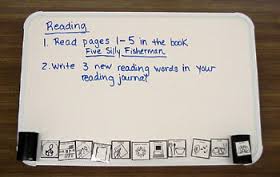
I have to give all of the credit to the staff at his high school.  Mrs. W brought in Northern Illinois University (NIU) to do a study that was done on six of her students last year.  The abstract was about maintaining vocational skills of individuals with autism and developmental disabilities through video modeling.  Research has shown that using video modeling helps to promote independent work-related behaviors and decrease the reliance on staff.  Video based supports often result in fostering independence and generalization of job related skills.  This means there is less reliance on job coaches and co-workers all for which are critical for sustaining competitive employment.  It is like a script in that breaks down the tasks that need to be performed.  These short videos are narrated in the background with short verbal prompts.  Nick watched them every day for two weeks and then each time before he was to perform a particular task. In the case of the NIU study the videos were for loading the dishwasher and washing machine.  What I noticed immediately is that Nick enjoyed watching them over and over again.  They are much more effective than any task strip that he has always used in the past. Here is an example of a task strip:

For me the proof is in the pudding*.  I noticed a significant increase in Nick initiative and accuracy in helping out around the house.  The videos did in fact increase his generalization to doing other chores besides these two.

While the jobs are pretty basic for most people, for Nick they mark a milestone.  His goals are no longer academic in nature for the most part they are all functional.  Functional goals are non-academic and generally understood to refer to skills used in the context of routine activities and daily living. Anything he can do independently gives him not only a better chance at getting a job upon graduation but also a placement into a group home someday.   Right now, he also has many other jobs at school including shredding, washing windows, loading the dishwasher, recycling and washing clothes for the PE department.  This week we have his annual IEP meeting to discuss his progress and goals for his senior year of high school.  As I look back it is amazing to see the progress he has made given his disabilities.  At this rate, I am going to be able to give him the reigns around the house while I sit back on the couch, prop my feet up and eat bon bons!  That is what’s in my noggin this week.

*Origin of Proof is in the Pudding

Proof in this case means “ultimate test.” To “prove” used to mean to test, a meaning which survives in a limited number of usages. This is one: it literally means you can show me a wonderful recipe, and tell me about your fine ingredients, but ultimately, the test is in the thing itself, the actual results.