Posted in Down syndrome, Down Syndrome Awareness, Dual Diagnosis Down syndrome and autism, Education and Special Needs, Resources for Special Needs

Blog #255~Down Syndrome Awareness Month:Extra Good Reads

Blog #255~Down Syndrome Awareness Month: Extra Good Reads

October is Down Syndrome Awareness Month. My son Nick is 29 years old and has a dual diagnosis of DS-ASD. I’ve been writing this blog since 2012, to help educate and inspire families and professionals.

Last week, in blog #254, I put the spotlight on many DS owned businesses check it out here: https://nickspecialneeds.com/2023/10/16/blog254down-syndrome-awareness-monthsupporting-down-syndrome-businesses/

This week I want to highlight some good reads related to Down syndrome. There are many books on Amazon available with a variety of topics related to Down syndrome. Here are a few books that I highly recommend, that will both educate and inspire you.

Extra Good Reads about Down Syndrome:

A New Course: A Mother’s Journey Navigating Down Syndrome and Autism by Teresa Unnerstall order here: https://amzn.to/2W3Un6X

TU_5-5x8-5_WPS_ebook

The Essential Guide for Families with Down Syndrome: Plan and Actions for Independence at Every Stage of Life by Steve Friedman Order your copy here: https://a.co/d/gMxuiU3
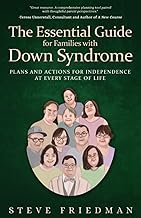
The Essential Guide for Families with Down Syndrome: Plans and Actions for Independence at Every Stage of Life

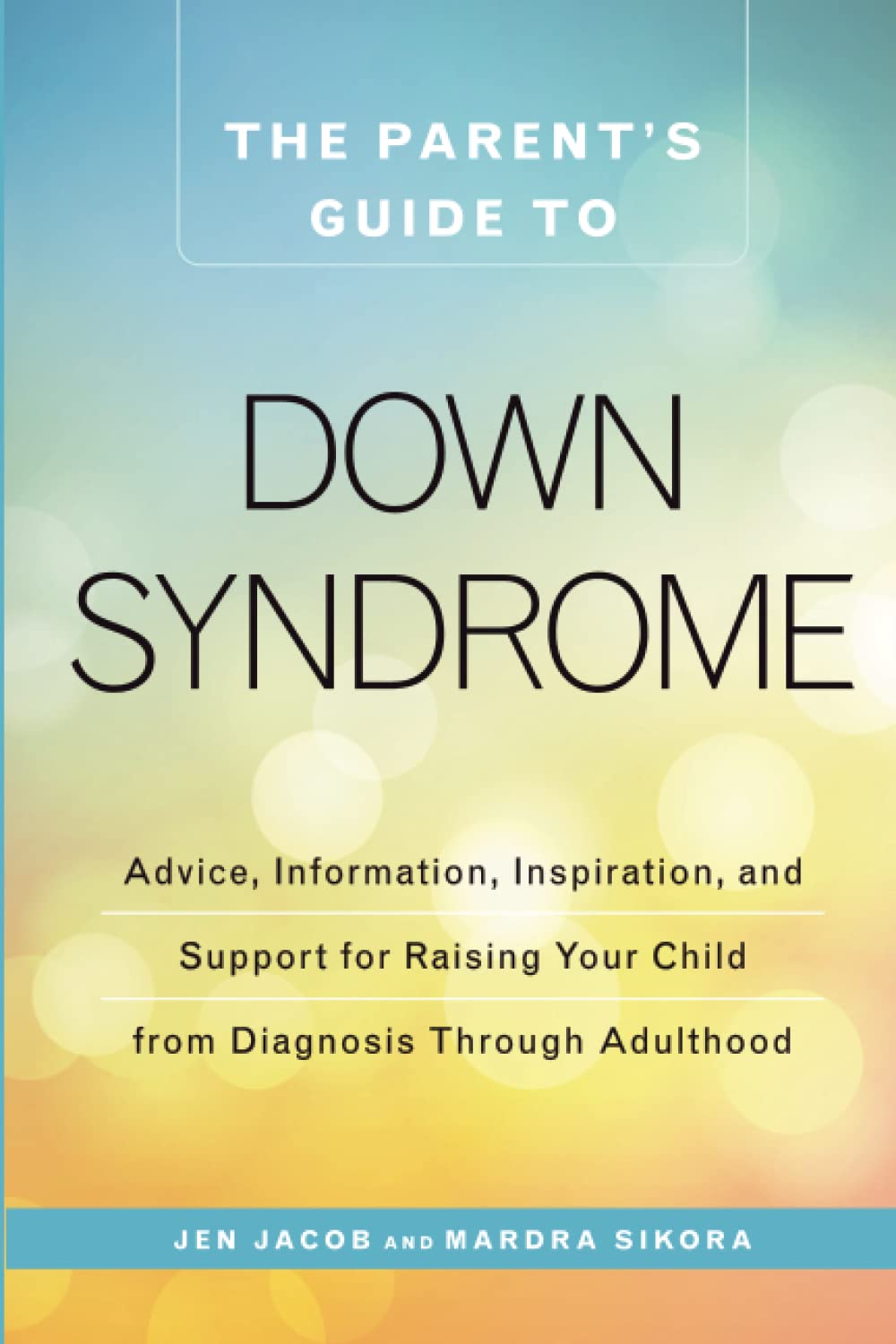
A Parent’s Guide to Down Syndrome, Advice, Information and Support to Raising Your Child from Diagnosis to Adulthood by Jen Jacob and Marda Sikora. Order here: https://a.co/d/5CRwU6R
Supporting Positive Behavior in Children and Teens with Down Syndrome, Revised Edition, The Respond, Don’t React Method by Dr. David Stein, Psy.D. Order here: https://a.co/d/8rlEeJG

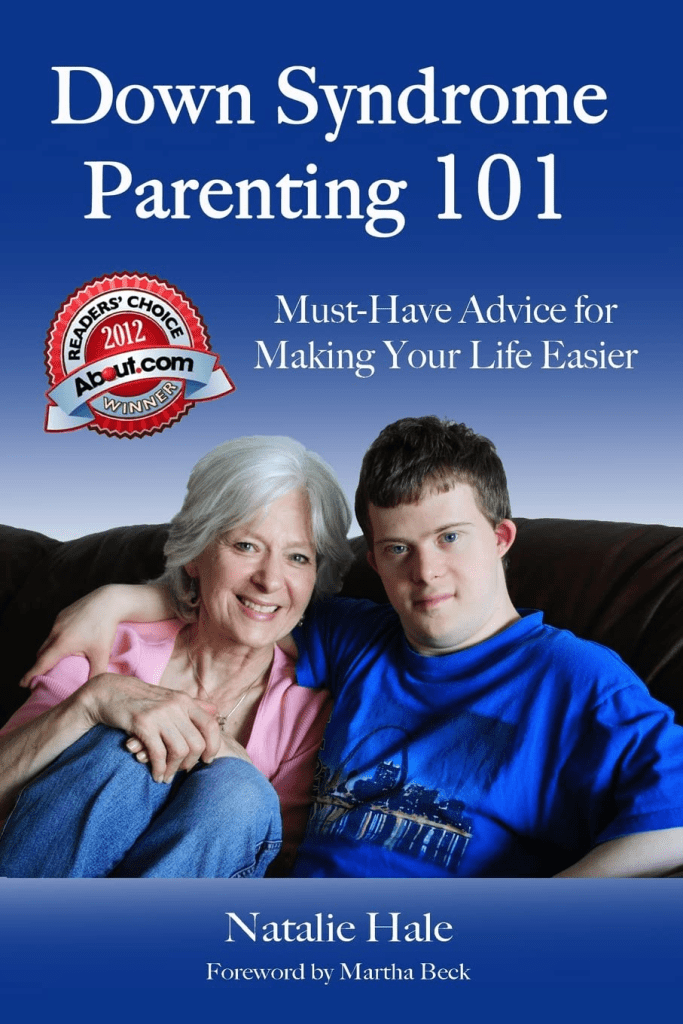
Down Syndrome Parenting 101: Must Have Advice for Making Your Life Easier by Natalie Hale order here: https://a.co/d/7LebF7H
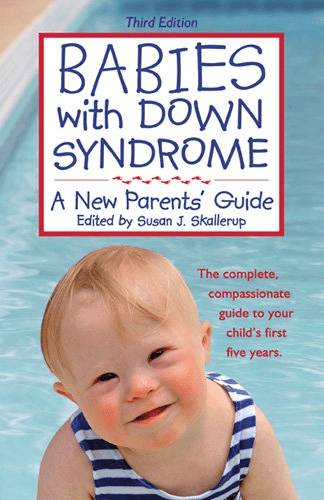
Babies with Down Syndrome: A New Parent’s Guide, Edited by Susan J. Skallerup order here: https://a.co/d/bU6CyTv
Scoot Over and Make Some Room: Creating a Space Where Everyone Belongs by Heather Avis order here: https://a.co/d/3QMtl0w

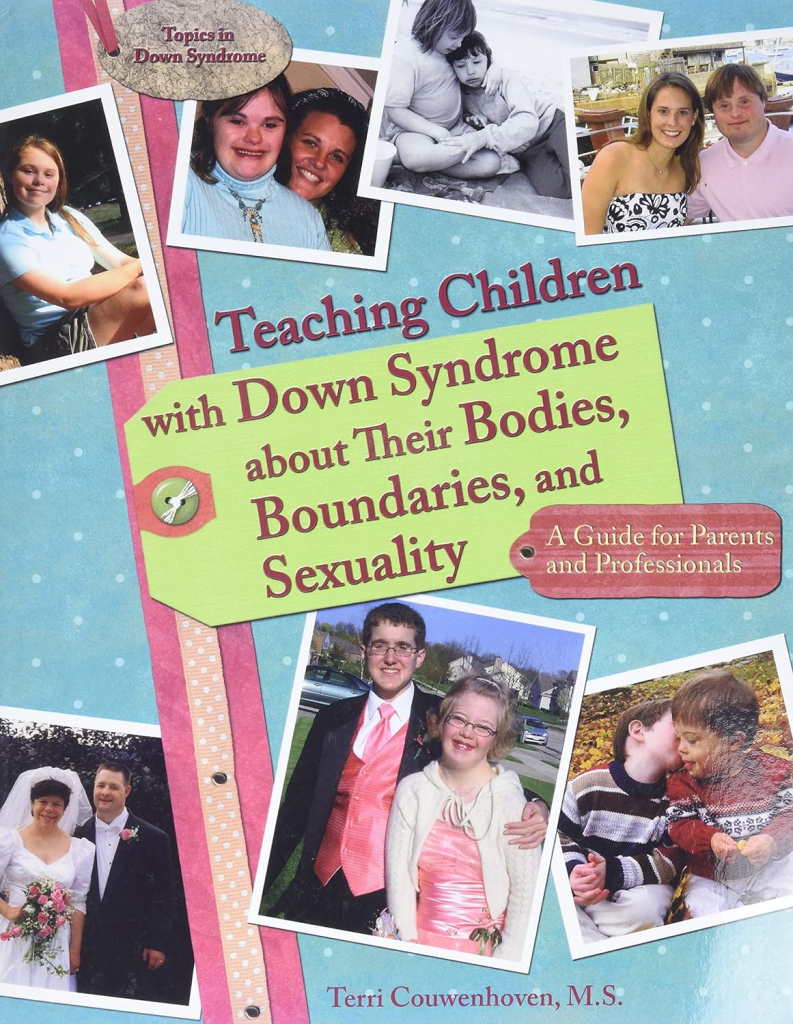
Teaching Children with Down Syndrome about Their Bodies, Boundaries and Sexuality by Terri Couwenhoven, M.S. order here: https://a.co/d/gARb2kE
Fine Motor Skills for Children with Down Syndrome, A Guide for Parents and Professionals (third edition) by Maryanne Bruni, BScOT (Reg) order here: https://a.co/d/8au2far

Gross Motor Skills in Children with Down Syndrome: A Guide for Parents and Professionals by Patricia C. Winders, P.T. order here: https://a.co/d/9F4DUV4

Gifts: Mother’s Reflect on How Children with Down Syndrome Enriched Their Lives, Edited by Kathryn Lynard, order here: https://a.co/d/fJ4ZgAj

Gifts 2: How People with Down Syndrome Enrich the World, Edited by Kathryn Lynard Soper, order here: https://a.co/d/5ltSrSH

Mental Wellness in Adults with Down Syndrome: A Guide to Emotional and Behavioral Strengths and Challenges by Dennis McGuire, Ph.D. and Brian Chicoine, M.D. order here: https://a.co/d/cbOhBLC

Different A Great Thing to Be by Heather Avis and Sarah Mensinga, order: https://a.co/d/3VL4z16

You Are Enough: A Book About Inclusion by Margaret O’Hair and inspired by Sophia Sanchez order: https://a.co/d/hRsKJAu

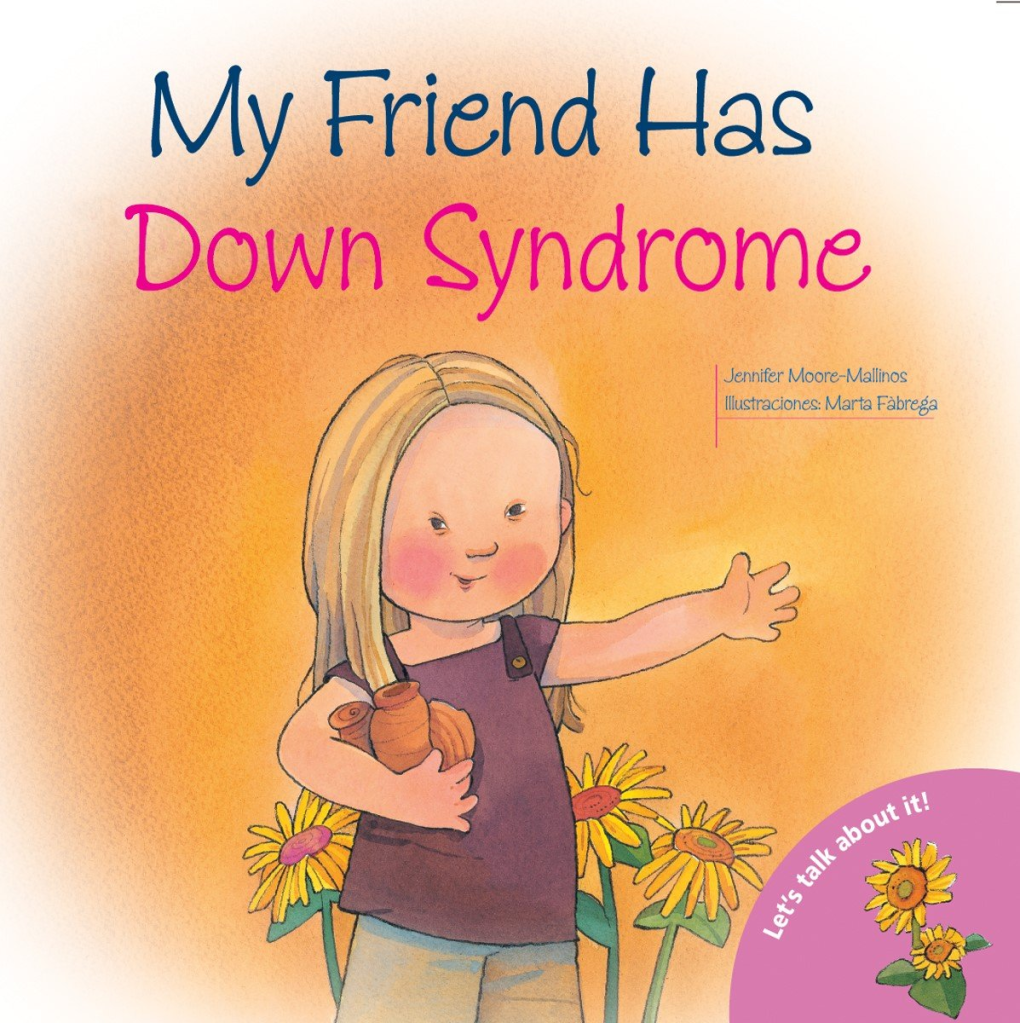
My Friend Has Down Syndrome by Jennifer Moore-Mallinos, order here: https://a.co/d/aSRCijS
These Down syndrome good reads are excellent resources for parents, families and professionals. Keep them in mind as gifts for the upcoming holiday season. In addition, many local Down syndrome support groups across the country provide lending libraries with these resources for families. Thank you for sharing and supporting us as we raise awareness and acceptance to celebrate Down Syndrome Awareness Month.

That’s what is in my noggin this week.

Teresa 🙂

Follow us on Facebook and Instagram at Down Syndrome with A Slice of Autism
Posted in Down syndrome, Down Syndrome Awareness, Dual Diagnosis Down syndrome and autism

Blog#254~Down Syndrome Awareness Month:Supporting Down Syndrome Businesses

Blog #254~Down Syndrome Awareness Month: Supporting Down Syndrome Businesses

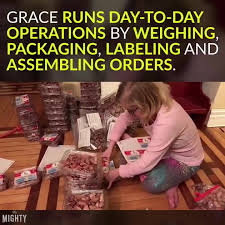
Individuals with disabilities often struggle to find meaningful and competitive employment opportunities as adults. Many families think outside the box to create business opportunities for their loved one with Down syndrome. This week, I want to celebrate Down Syndrome Awareness Month by highlighting some of these business owners. As a mom to my son Nick age 29, who has a dual diagnosis of Down syndrome and autism (DS-ASD), I am a fierce advocate for indidviduals with disabilities. These are a few of my favorites that I have supported over the years.

Down Syndrome Business Guide:

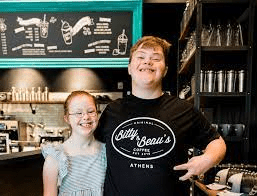
*Bitty and Beau’s Coffee: It’s more than a cup of coffee. 25 Locations across the country https://www.bittyandbeauscoffee.com/

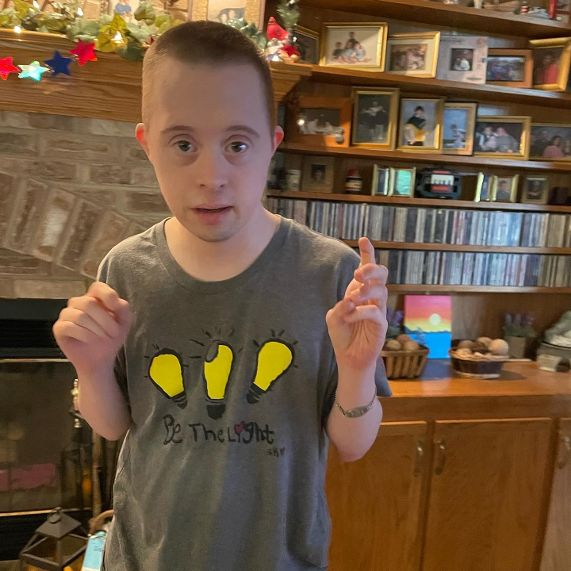
*Candidly Kind: Grace’s mission is to to spread light love and acceptance thru her original art and life including t-shirts and lots of swag gear. https://www.candidlykind.com/ Here’s a photo I took with Grace at the NDSC convention and along with my son, Nick modeling one of her designs:

*John’s Crazy Socks: “Their mission is to show what is possible when you give someone a chance”. Every day, we demonstrate what people with intellectual disabilities can do.” https://johnscrazysocks.com/

*Gracie’s Doggie Delights: Premium dog treats with no additives, chemicals or preservatives. https://graciesdoggiedelights.com/

*Seanese: Unique tees designed by Sean McElwee from A&E’s Born this Way https://seanese.com/

*River Bend Gallery: Geoffrey Mikol is a professional artist who does beautiful photography. https://www.riverbendgalleries.com/

*Troy Made It: “Troy is a potter who is turning mud into magic.” Follow on Instagram and shopt here- https://www.etsy.com/shop/troymadeit

*Brittnay’s Baskets of Hope: “As part of our mission, we make and deliver baskets to celebrate the arrival of babies with Down syndrome that feature information and guidance for the parents and gifts of love and joy for the babies and their siblings”. https://www.brittanysbasketsofhope.org/ Follow her on social media to see all the beautiful babies that she highlights daily.

*Special Sparkle: Kelly creates beautiful hand made jewelry. https://specialsparkle.com/

21 Pineapples Shirt Company: Nate is on a mission “To change the way others perceive people with Down syndrome & other special abilities one Hawaiian shirt at a time”. https://21pineapples.com/

Bravo to these young entreprenuers who have created businesses with their passion and talents. Many of these business owners give a portion of their proceeds to help others. Thank you for taking a look at these enterprises that would make great gifts for the holidays. Please feel free to share and follow each on social media.

That’s what is in my noggin this week.

~Teresa 🙂

Follow Nick and navigating DS-ASD on Facebook and Instagram at Down Syndrome with a Slice of Autism
Posted in Down syndrome, Down Syndrome Awareness, Dual Diagnosis Down syndrome and autism

Blog #253~Down Syndrome Awareness Month

Blog #253~Down Syndrome Awareness Month

October is Down Syndrome Awareness Month. My son, Nick is 29 years old and has a dual diagnosis of Down syndrome and autism (DS-ASD). As a parent, writer and advocate, my mission is to educate others to better understand more about Down syndrome and autism. Down syndrome awareness is about promoting understanding, acceptance and inclusion of all individuals with Down syndrome in all aspects of our society.

Down syndrome also called Trisomy 21, is a condition in which a person is born with an extra chromosome.

For more information about Down syndrome click here http://www.ndss.org/Down-Syndrome/What-Is-Down-Syndrome/

Here are 7 easy ways that you can promote Down syndrome awareness and acceptance:

1. Post information and stories about individuals with Down syndrome on your social media platforms. You can follow many inspiring individuals on Facebook and Instagram like Nick at #Down Syndrome with a Slice of AutismHere are a few of my favorites: #noahsdaddotcom #calebs_crew #brittanysbaskets #chrisnikic #dsdn #chucklesandmeatloaf #nothingdownaboutit #sean_from_born_this_way #troymadeit #abigail_the_advocate #theluckyfew #aceismyfriend #ndss #ndsc

2. Use and promote “person first language” to respectively speak about a person with a disability. Individuals with Down syndrome should always be referred to as people first. Instead of “a Down syndrome child,” it should be “a child with Down syndrome.” Also avoid “Down’s child” and describing the condition as “Down’s,” as in, “He has Down’s.”

3. Check with your local Down syndrome support group to see if they have promotional materials, like books and bookmarks that can be distributed at libraries and schools.

4. Many local Down syndrome support groups have public speakers available to talk with schools, businesses, community groups, hospitals, and other organizations.

5. Support or volunteer for local fundraisers like the Buddy Walk in your community https://www.ndss.org/play/national-buddy-walk-program/ .

6. Encourage your kids to volunteer for Special Olympics and Best Buddies programs through their school.

7. Check out my book A New Course: A Mother’s Journey Navigating Down Syndrome and Autism is helping so many readers understand both Down syndrome and a co-occurring Down syndrome and autism (DS-ASD). It’s available on Amazon. Please utilize the share buttons on social media and order your copy here: @ https://amzn.to/2W3Un6X 

Advocates for Down syndrome will tell you that “Down syndrome is just a part of who they are, not a definition of who they are”. The first step is awareness, the second step is acceptance and inclusion. Individuals with Down syndrome and their families want to encourage acceptance without judgement and change perception to see the whole person for who they are. Thank you for supporting and sharing information about Down syndrome awareness this month. Together we can promote understanding, acceptance and inclusion of all individuals with Down syndrome. That’s what is in my noggin this week.

~Teresa 🙂

Follow and Share on Social Media:

Posted in Down syndrome, Down Syndrome Awareness, Dual Diagnosis Down syndrome and autism

Blog #248~Down Syndrome Awareness Month

Blog #248~Down Syndrome Awareness Month

October is Down Syndrome Awareness Month. My son, Nick is 28 years old and has a dual diagnosis of Down syndrome and autism (DS-ASD). As a parent, writer and advocate, my mission is to educate others to better understand more about Down syndrome and autism. Down syndrome awareness is about promoting understanding, acceptance and inclusion of all individuals with Down syndrome in all aspects of our society.

Click here to get the facts about Down syndrome: http://www.ndss.org/Down-Syndrome/What-Is-Down-Syndrome/

Here’s how YOU can promote Down syndrome awareness and acceptance:

🙂 Post information and stories about individuals with Down syndrome on your social media platforms. You can follow many inspiring individuals on Facebook and Instagram like Nick at #Down Syndrome with a Slice of AutismHere are a few of my favorites: #noahsdaddotcom #calebs_crew #brittanysbaskets #chrisnikic #dsdn #chucklesandmeatloaf #nothingdownaboutit #sean_from_born_this_way #troymadeit #abigail_the_advocate #theluckyfew #aceismyfriend #ndss #ndsc

🙂 Use and promote “person first language” to respectively speak about a person with a disability. Individuals with Down syndrome should always be referred to as people first. Instead of “a Down syndrome child,” it should be “a child with Down syndrome.” Also avoid “Down’s child” and describing the condition as “Down’s,” as in, “He has Down’s.”

🙂 If you are a parent of a child with Down syndrome, send updates, pictures and tell your story to your family doctor and OB/GYN. Consider becoming a Hope Advocate-You will get a custom hope kit to distribute to your OB/GYN and family doctor. More information https://hopestory.org/sign-up/

 🙂 Check with your local Down syndrome support group to see if they have promotional materials, like books and bookmarks that can be distributed at libraries and schools.

 🙂 Many Down syndrome support groups have public speakers available to talk with schools, businesses, community groups, hospitals, and other organizations.

 🙂 Support or volunteer for local fundraisers like the Buddy Walk in your community https://www.ndss.org/play/national-buddy-walk-program/ .

🙂 Encourage your kids to volunteer for Special Olympics and Best Buddies programs through their school.

  🙂 Here’s how you can help support families like ours, The Down Syndrome-Autism Connection is the gold standard organization supporting DS-ASD families @ http://www.ds-asd-connection.org/.  I am looking for 21 people to donate just $21 (or more) for the 3-2-1 Caring and Sharing fundraiser to directly help families navigating a dual diagnosis. The Connection provides valuable resources and support for families like ours in over 10 countries. Click here to donate: https://givebutter.com/E6h2IX/teresaunnerstall

A Lifeline for a lifetime

🙂 My book A New Course: A Mother’s Journey Navigating Down Syndrome and Autism is helping so many readers understand both Down syndrome and a co-occurring Down syndrome and autism (DS-ASD). It’s available on Amazon. Please utilize the share buttons on social media and order your copy here: @ https://amzn.to/2W3Un6X 

This image has an empty alt attribute; its file name is a-new-course-book-cover-multiple-books.jpg
Order your copy today at https://amzn.to/2W3Un6X

Thank you for supporting and sharing information about Down syndrome awareness this month. Together we can promote understanding, acceptance and inclusion of all individuals with Down syndrome. That’s what is in my noggin this week.

~Teresa 

Follow us on Facebook and Instagram:

Posted in Down syndrome, Down Syndrome Awareness, Dual Diagnosis Down syndrome and autism

Blog #240~ October is Down Syndrome Awareness Month

Blog #240~October is Down Syndrome Awareness Month

down-syndrome-awareness-month

October is Down Syndrome Awareness Month. My son, Nick is 27 years old and has a dual diagnosis of Down syndrome and autism (DS-ASD). As a parent, writer and advocate, my mission is to educate others to better understand more about Down syndrome and autism. Down syndrome awareness is about promoting understanding, acceptance and inclusion of all individuals with Down syndrome in all aspects of our society.

Click here to get the facts about Down syndrome: http://www.ndss.org/Down-Syndrome/What-Is-Down-Syndrome/

Here’s how YOU can promote Down syndrome awareness and acceptance:

🙂 Post information and stories about individuals with Down syndrome on your social media platforms. You can follow many inspiring individuals on Facebook and Instagram like Nick at #Down Syndrome with a Slice of Autism. Here are a few of my favorites: #noahsdaddotcom #calebs_crew #brittanysbaskets #chrisnikic #dsdn #chucklesandmeatloaf #nothingdownaboutit #sean_from_born_this_way #troymadeit #abigail_the_advocate #theluckyfew #aceismyfriend

🙂 If you are a parent of a child with Down syndrome, send updates, pictures and tell your story to your family doctor and OB/GYN. Consider becoming a Hope Advocate-You will get a custom hope kit to distribute to your OB/GYN and family doctor. More information https://hopestory.org/sign-up/

🙂 Your local Down syndrome support groups have promotional materials, like books and bookmarks that can be distributed at libraries and schools.

🙂 Down syndrome support groups have public speakers available to talk with schools, businesses, community groups, hospitals, and other organizations.

🙂 Support or volunteer for local fundraisers like the Buddy Walk in your community https://www.ndss.org/play/national-buddy-walk-program/ .

🙂 The Down Syndrome-Autism Connection is the gold standard organization supporting DS-ASD families @ http://www.ds-asd-connection.org/. I am looking for 21 people to donate just $21 for the 3-2-1 Caring and Sharing fundraiser to directly help families navigating a dual diagnosis. Click here to donate @ https://givebutter.com/l6BUl8/teresaunnerstall

🙂 Encourage your kids to volunteer for Special Olympics and Best Buddies programs through their school.

🙂 Use and promote “person first language” to respectively speak about a person with a disability. Individuals with Down syndrome should always be referred to as people first. Instead of “a Down syndrome child,” it should be “a child with Down syndrome.” Also avoid “Down’s child” and describing the condition as “Down’s,” as in, “He has Down’s.”

🙂 My book A New Course: A Mother’s Journey Navigating Down Syndrome and Autism is helping so many readers understand both Down syndrome and a co-occurring Down syndrome and autism (DS-ASD). It’s available on Amazon, plus there are share buttons you can utilize for social media to help spread awareness. Order and donate a copy to your local library @ https://amzn.to/2W3Un6X 

This image has an empty alt attribute; its file name is a-new-course-book-cover-multiple-books.jpg
Order your copy today at https://amzn.to/2W3Un6X

Thank you for supporting and sharing all about Down syndrome awareness this month! That’s what is in my noggin this week.

~Teresa 🙂

Follow us on Social Media:

Facebook and Pinterest @Down Syndrome With A Slice Of Autism

Instagram @nickdsautism

Twitter @tjunnerstall

Posted in Down syndrome, Down Syndrome Awareness, Dual Diagnosis Down syndrome and autism

Blog #233~Down Syndrome Awareness Month

October is Down Syndrome Awareness Month. My son, Nick is 26 years old and has a dual diagnosis of Down syndrome and autism (DS-ASD). As a parent, writer and advocate, I strive to educate others to better understand more about Down syndrome and autism. Down syndrome awareness is about promoting understanding, acceptance and inclusion of all individuals with Down syndrome.

FACTS about Down syndrome from National Down Syndrome Society (NDSS):

*Down syndrome occurs when an individual has a full or partial extra copy of chromosome 21. This additional genetic material alters the course of development and causes the characteristics associated with Down syndrome.

*There are three types of Down syndrome: trisomy 21 (nondisjunction) accounts for 95 percent of cases, translocation accounts for about 4 percent and mosaicism accounts for about 1 percent.

*Down syndrome is the most commonly occurring chromosomal condition. One in every 691 babies in the United States is born with Down syndrome.

*There are more than 400,000 people living with Down syndrome in the United States.

*Down syndrome occurs in people of all races and economic levels.

*The incidence of births of children with Down syndrome increases with the age of the mother. But due to higher fertility rates in younger women, 80 percent of children with Down syndrome are born to women younger than 35.

*People with Down syndrome have an increased risk for certain medical conditions such as congenital heart defects, respiratory and hearing problems, Alzheimer’s disease, childhood leukemia and thyroid conditions. Many of these conditions are now treatable, so most people with Down syndrome lead healthy lives.

*A few of the common physical traits of Down syndrome are low muscle tone, small stature, an upward slant to the eyes and a single deep crease across the center of the palm. Every person with Down syndrome is a unique individual and may possess these characteristics to different degrees or not at all.

*Life expectancy for people with Down syndrome has increased dramatically in recent decades — from 25 years old in 1983 to 60 years old today.

*People with Down syndrome attend school, work and participate in decisions that affect them, and contribute to society in many wonderful ways.

*All people with Down syndrome experience cognitive delays, but the effect is usually mild to moderate and is not indicative of the many strengths and talents that each individual possesses.

*Quality educational programs, a stimulating home environment, good health care and positive support from family, friends and the community enable people with Down syndrome to develop their full potential and lead fulfilling lives.

More information @ http://www.ndss.org/Down-Syndrome/What-Is-Down-Syndrome/

Here are a few simple ways to promote Down syndrome awareness:

*Post information and stories about individuals with Down syndrome on your social media platforms.

*If you are a parent of a child with Down syndrome, send updates, pictures and tell your story to your family doctor and OB/GYN. Consider becoming a Hope Advocate- where you will get a custom hope kit to distribute to your OB/GYN and family doctor. More information @ https://hopestory.org/sign-up/

*Many local Down syndrome support groups have promotional materials, like books and bookmarks that can be distributed at libraries and schools.

*Down syndrome support groups have public speakers available to talk with schools, businesses, community groups, hospitals, and other organizations.

*Support or volunteer for local fundraisers like the Buddy Walk in your community @ https://www.ndss.org/play/national-buddy-walk-program/ . This month The Down Syndrome-Autism Connection is doing a 3-2-1 Caring and Sharing fundraiser to directly help families navigating a dual diagnosis. I will be posting more about this on social media. Find out more about this awesome support group @ http://www.ds-asd-connection.org/

*Encourage your kids to volunteer for Special Olympics and Best Buddies programs through their school.

*Always use and promote “people first language” to respectively speak about a person with a disability. Individuals with Down syndrome should always be referred to as people first.  Instead of “a Down syndrome child,” it should be “a child with Down syndrome.” Also avoid “Down’s child” and describing the condition as “Down’s,” as in, “He has Down’s.”

down-syndrome-awareness-month

My book A New Course: A Mother’s Journey Navigating Down Syndrome and Autism is helping so many readers understand both Down syndrome and a co-occurring Down syndrome and autism (DS-ASD). It’s available on Amazon, plus there are share buttons you can utilize for social media to help spread awareness. Order and share @ https://amzn.to/2W3Un6X You can also order my book on other platforms and read chapter one for FREE @ http://www.teresaunnerstall.com. I appreciate the 70+ awesome five star Amazon reviews. Your support and sharing A New Course on your social media sites is spreading great awareness and understanding. I will be doing some more giveaways this month for everyone who shares my book on social media!
Thank you for supporting Down syndrome awareness this month! That’s what is in my noggin this week.

~Teresa 🙂

Follow us on Social Media:

Facebook and Pinterest @Down Syndrome With A Slice Of Autism

Instagram @nickdsautism

Twitter @tjunnerstall

Posted in Down syndrome, Down Syndrome Awareness, Dual Diagnosis Down syndrome and autism

Down Syndrome Awareness Month

Down Syndrome Awareness Month

Down syndrome awareness ribbon

October is Down Syndrome Awareness Month. My son, Nick is 25 years old and has a dual diagnosis of Down syndrome and autism. As a parent and advocate, I strive to educate others to better understand these conditions. Down syndrome awareness is about promoting understanding, acceptance and inclusion of all individuals with Down syndrome.

FACTS about Down syndrome from National Down Syndrome Society (NDSS):

*Down syndrome occurs when an individual has a full or partial extra copy of chromosome 21. This additional genetic material alters the course of development and causes the characteristics associated with Down syndrome.

*There are three types of Down syndrome: trisomy 21 (nondisjunction) accounts for 95 percent of cases, translocation accounts for about 4 percent and mosaicism accounts for about 1 percent.

*Down syndrome is the most commonly occurring chromosomal condition. One in every 691 babies in the United States is born with Down syndrome.

*There are more than 400,000 people living with Down syndrome in the United States.

*Down syndrome occurs in people of all races and economic levels.

*The incidence of births of children with Down syndrome increases with the age of the mother. But due to higher fertility rates in younger women, 80 percent of children with Down syndrome are born to women younger than 35.

*People with Down syndrome have an increased risk for certain medical conditions such as congenital heart defects, respiratory and hearing problems, Alzheimer’s disease, childhood leukemia and thyroid conditions. Many of these conditions are now treatable, so most people with Down syndrome lead healthy lives.

*A few of the common physical traits of Down syndrome are low muscle tone, small stature, an upward slant to the eyes and a single deep crease across the center of the palm. Every person with Down syndrome is a unique individual and may possess these characteristics to different degrees or not at all.

*Life expectancy for people with Down syndrome has increased dramatically in recent decades — from 25 years old in 1983 to 60 years old today.

*People with Down syndrome attend school, work and participate in decisions that affect them, and contribute to society in many wonderful ways.

*All people with Down syndrome experience cognitive delays, but the effect is usually mild to moderate and is not indicative of the many strengths and talents that each individual possesses.

*Quality educational programs, a stimulating home environment, good health care and positive support from family, friends and the community enable people with Down syndrome to develop their full potential and lead fulfilling lives.

More information @http://www.ndss.org/Down-Syndrome/What-Is-Down-Syndrome/

NDSS_logo

Here are a few simple ways to promote Down syndrome awareness:

*Post information and stories about individuals with Down syndrome on social media.

*Parents of a child with Down syndrome, can send updates, pictures and tell your story to your family doctor and OB/GYN. Consider becoming a Hope Advocate- where you will get a custom hope kit to distribute to your OB/GYN and family doctor. More information @https://hopestory.org/sign-up/

*Many local Down syndrome support groups have promotional materials, like books and bookmarks that can be distributed at libraries and schools.

*Down syndrome support groups have public speakers available to talk with schools, businesses, community groups, hospitals, and other organizations.

*Support or volunteer for local fundraisers like the Buddy Walk in your community @http://www.ndss.org/buddy-walk/

*Encourage your kids to volunteer for Special Olympics and Best Buddies programs through their school.

*Always use and promote “people first language” to respectively speak about a person with a disability. Individuals with Down syndrome should always be referred to as people first.  Instead of “a Down syndrome child,” it should be “a child with Down syndrome.” Also avoid “Down’s child” and describing the condition as “Down’s,” as in, “He has Down’s.”

down-syndrome-awareness-month

Thank you for supporting Down syndrome awareness this month! That’s what is in my noggin this week.

~Teresa 🙂

Follow us on Social Media:

Facebook and Pinterest @Down Syndrome With A Slice Of Autism

Instagram @nickdsautism

Twitter @tjunnerstall


Posted in Down syndrome, Down Syndrome Awareness, Resources for Special Needs

Blog #222~Dear Doctor,A Down Syndrome Diagnosis is a Hope Story

Blog #222~Dear Doctor, A Down Syndrome Diagnosis, is a Hope Story

What is the right way for a doctor to deliver the news that your baby has Down syndrome either pre-natal or at birth?  Over the weekend, I received a link from Nothing Down, called Dear Doctor http://www.nothingdown.org/ The short film link, interviewed parents who shared their experiences with their doctor.  The delivery of the news of a Down syndrome diagnosis was often cold, stoic, and grim.  In some cases, the doctors told the parents what their child couldn’t do, while others were offered the option to terminate the pregnancy.  So how should a doctor deliver the news to parents that their baby has Down syndrome? Educating medical professionals, communities, and advocating for inclusion and acceptance, are some of the goals during the month of October, which is Down Syndrome Awareness Month.  The more you understand Down syndrome, the less fear you will have about the navigating the challenges associated with the diagnosis.

DS-Awareness-Month

I’m excited to share a new program that is going to change the way many medical professionals will deliver a pre-natal or birth diagnosis of Down syndrome.  It’s called Hope Story!

Hope Story’s Mission:

“Hope Story exists to give support, encouragement and hope to parents whose child have received a Down syndrome diagnosis; to provide free resources to the medical community to help them deliver a Down syndrome diagnosis, and to find ways for parents of children born with Down syndrome to use their unique story to bring hope to others.”  

Hope Story Helps 3 Main Groups:

*Parents whose child received  a diagnosis of Down syndrome.

*Parents who have a child with a diagnosis of Down syndrome.

*Medical Professionals

Hope Story will be providing kits to advocates who will partner with medical professionals.  Hope Advocates will inform, educate and allow doctors to get to know someone with Down syndrome on a personal level.  Tools in the Hope kit contain valuable information on how to deliver a diagnosis of Down syndrome, and a preferred language guide to help talk about Down syndrome with dignity, respect and hope.  In addition, the Hope booklet addresses concerns a new parent may have about Down syndrome.  Other tools include welcome letters, announcements, business card and  training videos for Hope advocates.

For more information on Hope Story click here:   @https://hopestory.org/about/

I’m looking forward to being an advocate for Hope Story, and the opportunity to work with medical professionals on delivering a positive pre-natal or birth diagnosis of Down syndrome.  Giving hope to other families who have a child with Down syndrome, has been the fuel for my writing for many years.   One thing I wish someone would have told me 24 years ago, when my son, Nick was born is this:

DD are like comas

Babies and children with Down syndrome have to work harder with physical, occupational and speech therapy to hit developmental milestones, and yes it may take longer, but they will and it hit them, and it will be grand!

My son Nick, age 24 🙂

Nick Key West

As we close to the end of October and Down Syndrome Awareness Month, I feel optimistic about the future of  individuals with Down syndrome.  We are moving beyond awareness, to acceptance and inclusion in society.  The future looks much brighter, with more opportunities for individuals with Down syndrome.  I’ve highlighted many success stories all month in my blogs, and social media listed below.  Education and understanding about Down syndrome is the key, and Hope Story is taking charge to help medical professionals and parents.  When you have knowledge and hope, the fear subsides.

That’s what is in my noggin this week. 🙂

~Teresa

Follow Nick and view more about Hope Story and the Dear Doctor film on social media:

Facebook and Pinterest @Down Syndrome With A Slice Of Autism

Instagram #nickdsautism

Twitter @tjunnerstall


Posted in Down syndrome, Down Syndrome Awareness, Education and Special Needs, Resources for Special Needs

Blog #221~Inclusion in a General Education Classroom for Students with Down Syndrome

Blog #221~Inclusion in a General Education Classroom for Students with Down Syndrome

Down syndrome awareness ribbon

October is Down Syndrome Awareness Month.  An individual with Down syndrome can be included in a general education classroom with the right support, accommodations and curriculum modifications.  This requires collaboration with the school team and understanding the needs of the student.  Inclusion education happens when children with and without disabilities participate and learn together in the same classes.  How can you advocate for an inclusive education environment for a student having Down syndrome?

*Inclusion in a general education classroom starts with a school team who is aware and understands what the experience can look like.  If the school does not support inclusion, the parent (and bringing an advocate on board) can help to educate the staff.  There is no one size fits all on inclusion, as each student is individual and unique in their needs. Inclusion is not a place, but rather an experience. Finding the right teachers, who are willing to set an open environment in the general education classroom is also a key ingredient to the success of inclusion.

Here are some examples of how inclusion can work:

http://www.friendshipcircle.org/blog/2014/02/05/10-examples-of-inclusion-for-those-who-need-to-se

Educate your school and community by hosting a screening for Inclusive Schools Week.  “Inclusive Schools Week is a proud partner with INTELLIGENT LIVES, the groundbreaking new documentary by Dan Habib. Narrated by Academy-award winning actor Chris Cooper, the film stars three pioneering young adults with intellectual disabilities – Micah, Naieer, and Naomie – who challenge perceptions of intelligence as they navigate high school, college, and the workforce. The film can now be screened in every community across the USA – host your own screening for Inclusive Schools Week! Intelligent Lives can help you advocate for change, raise funds for your organization, and open doors to inclusive education and employment for people of ALL abilities.” Go to http://www.intelligentlives.org to watch the film trailer and to learn how to host a screening in your communitye-it-to-believe-it/

Watch the trailer:  https://intelligentlives.org/trailer

*Create a one page profile sheet of your child to share with the school team and class.  There are many great ideas on Pinterest to create this.  

Here are some suggestions with examples on what to include:

-Picture of student

-Strengths (counting, matching, visual learner, receptive language, funny, wants to work)

-What works for student (visual schedule, patience, positive reinforcement, reminders before transitions)

-What doesn’t work for the student (sudden changes in schedule, taking something away, saying no or talking to firmly)

-What the student enjoys (music, making friends, Starfall computer game, dancing)

What the student needs (checklists, visual schedules, motor breaks, sensory break area, etc.)

*Inclusion works best with a solid Individualized Education Plan (IEP) and when the student is supported with a classroom aide/paraprofessional.  

Nick work aid

*Inclusion works best when the IEP includes all needed accommodations and modifications in the curriculum.  Accommodations are the tools needed for the student to succeed in the classroom.  Some examples might include a special pencil grip, nubby seat cushion, visual timer, calculator, built in motor breaks, communication device or picture exchange system (PECS) book.  Modifications to the curriculum allow the student to learn the grade level material , but simplified.  This helps the student learn at their own level what is most meaningful for them.  Goals in the IEP should be driven to promote further education, independence and future employment skills.

Here are two books that I recommend for learning more about how inclusion works for individuals with Down syndrome:

Inclusion in ActionWho's The Slow Learner

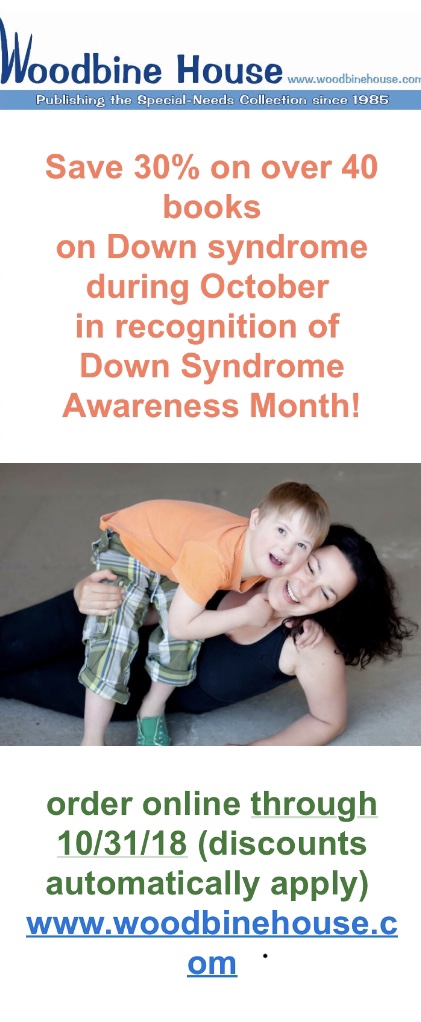
As I mentioned in last week’s blog post, Woodbine House also has many books about teaching reading and math skills for individuals with Down syndrome.  This month Woodbine House is offering a 30% discount on these books:

Click here to view the selections https://www.woodbinehouse.com/

Inclusion in a general education classroom can work for individuals with Down syndrome.  It benefits all students, and promotes a since of community and acceptance, that individuals with intellectual and developmental disabilities desire.  With the right attitude, support, accommodations and modifications, inclusion in a regular classroom setting can be a rewarding and successful experience for individuals with Down syndrome, their peers and the school staff.

That’s what is in my noggin this week.

~Teresa 🙂

Follow my son Nick who is 24 years old and has a dual diagnosis of Down syndrome and autism:

Facebook and Pinterest @Down Syndrome With A Slice Of Autism

Instagram @nickdsautism

Twitter @tjunnerstall


Posted in Down syndrome, Down Syndrome Awareness, Dual Diagnosis Down syndrome and autism, Resources for Special Needs

Blog #220~Down Syndrome Good Reads

Blog #220~Down Syndrome Good Reads

October is Down Syndrome Awareness Month.  This week, I want to highlight books associated with Down syndrome.  You can click on my resource book shelf page, to view a comprehensive list of books:  https://nickspecialneeds.com/resource-book-shelf/

Woodbine House is the gold standard for resource books related to Down syndrome and other intellectual and developmental disabilities for parents, family members, children, teachers, and other professionals.  This publishing company has over 40 books on Down syndrome with a  30% discount this month! http://www.woodbinehouse.com/product-category/down-syndrome/

Woodbine House Sale

There are a lot more books on Amazon, related to Down syndrome.  One that caught my eye, with a 5 star rating and solid reviews is The Parent’s Guide To Down Syndrome by Jen Jacob and Madra Sikora.  The reviews for this book state that it is upbeat, current, informative, insightful, and a fun and easy read:

parents guide to DS book

https://www.amazon.com/Parents-Guide-Down-Syndrome-Information/dp/144059290X/ref=sr_1_1?ie=UTF8&qid=1539620279&sr=8-1&keywords=The+parents+guide+to+Down+syndrome

In addition to books for parents, teachers and professionals, there are many children’s books about Down syndrome both on Amazon and in my resource book shelf link, that I listed above.


Promoting acceptance and inclusion are two goals of Down syndrome Awareness Month.  Many parents and advocates do presentations at schools and in their community, incorporating book reads and power point presentations to educate others.

Donating books to local public and school libraries is a great way to spread the word about Down syndrome.  Many Down syndrome support groups provide materials, like bookmarks and calendars, that can be distributed as well.  In addition, these support groups often provide training to become a speaker and advocate.  Check with your local support group to see if they have a resource libray with books, tech and other resources to help families who have a child with Down syndrome.

Gifts book cover

The books and links I provided here, will help parents, family members, teachers and professionals better support a child having Down syndrome.  In particular, the Woodbine House books provided me with encouragement, understanding and practical tips for growth/medical management, academic skills in reading/math, gross and fine motor development.  This gave me more confidence to better advocate and help my son, Nick who is now 24 years old.

I hope these good reads provide a lens on the subject of Down syndrome to further educate, and promote acceptance and inclusion.  That’s what is in my noggin this week.

~Teresa 🙂

Follow Nick:

Facebook and Pinterest @Down Syndrome With A Slice Of Autism

Instagram @nickdsautism

Twitter @tjunnerstall